
Blocked Toilet Plumber
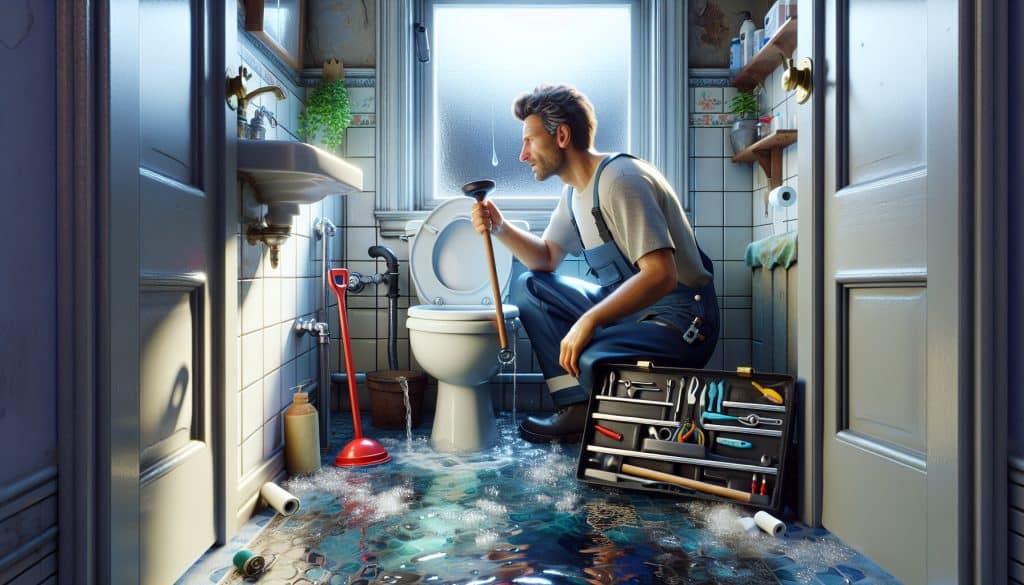
Dealing with a blocked toilet can be a frustrating and unpleasant experience. It's a common household issue that requires prompt attention to prevent further complications. Understanding when to attempt a DIY fix and when to call a blocked toilet plumber is essential for any homeowner.
Finding the right professional to tackle the job can save you time and ensure that your plumbing system remains intact. In this guide, we'll explore various aspects of addressing toilet clogs and maintaining a healthy plumbing system.
When should you call a blocked toilet plumber?
Calling a blocked toilet plumber may be necessary when you face a stubborn clog that your plunger can't handle. If the water level in the toilet bowl rises and threatens to overflow, it's time to turn off the water and call a plumber. Frequent clogs could also indicate a deeper issue within your plumbing system that requires professional assessment.
Other signs that it's time to call a professional include the presence of sewage backup in other fixtures, gurgling sounds coming from the pipes, and water draining slowly throughout the house. These symptoms can point to blockages in the main drain, which are beyond the scope of typical DIY methods.
Additionally, if you have tried several unclogging techniques without success, it's prudent to seek the help of a plumber to avoid causing damage to the pipes. Professional plumbers have specialized tools and expertise to resolve the issue efficiently.
Ignoring or improperly handling a blocked toilet can lead to water damage and costly repairs down the line. Therefore, recognizing when to call a plumber is crucial for the longevity of your home's plumbing system.
How do I unblock a badly blocked toilet?
To unblock a severely clogged toilet, start with a plunger. Ensure you have a good seal around the opening and apply firm, steady pressure. If plunging doesn't work, you might need to use a plumbing snake or auger, which can reach deeper into the drain to dislodge the clog.
Before using chemical drain cleaners, consider safer alternatives like hot water mixed with dish soap, or a combination of baking soda and vinegar. These natural methods can break down certain types of clogs without the risk of damaging your pipes.
For clogs caused by foreign objects, you may need to use a toilet auger to hook and remove the obstruction. Be cautious when using this tool to avoid scratching the porcelain or damaging the plumbing.
If you're not comfortable using these tools or if you've attempted these methods with no progress, it's best to call a blocked toilet plumber. An expert can resolve the issue without causing further damage to your toilet or plumbing system.
Remember, a badly blocked toilet could be a symptom of a more complex issue. If you're uncertain about the cause or the appropriate approach, consult with a professional.
What tools do I need to unclog a toilet?
The basic tools you'll need for unclogging a toilet include a flange plunger, which is specifically designed for toilets, and a plumbing snake or toilet auger for tougher clogs. Having a pair of rubber gloves and a bucket on hand is also advisable for hygiene and ease of cleanup.
A plunger is often sufficient for minor clogs. However, if you're dealing with a more stubborn blockage, a toilet auger can be a valuable tool. It's a more advanced option that can reach deeper into the toilet's drain to break up or retrieve obstructions.
Other helpful items might include a wet-dry vacuum to remove excess water, towels to contain any overflow, and natural cleaning agents like vinegar and baking soda for gentle unclogging.
It's essential to use these tools correctly to avoid damaging your toilet. If you're unsure how to use them or if the clog persists, consulting a blocked toilet plumber is the best course of action.
How to unclog a toilet without a plunger?
If you find yourself without a plunger, you can still attempt to unclog your toilet using a few alternative methods. Pouring hot water from waist height into the bowl can create enough force to break up a clog. Adding dish soap to the hot water can help lubricate and break down the blockage.
Another method involves using baking soda and vinegar. Pour one cup of baking soda into the toilet bowl followed by two cups of vinegar. The chemical reaction can help dissolve the clog. Let it sit for a few minutes before trying to flush.
If you have a wire coat hanger, you can unwind it and use it to probe the toilet's drain and break up the obstruction. Cover the end with a cloth to prevent scratching the porcelain.
In some cases, you can use a wet-dry vacuum to suck out the clog, but this should be done with caution to avoid splashing or spreading contaminated water.
These methods can be effective for simple clogs, but for more severe blockages, it's advisable to call a professional plumber to handle the situation properly.
What are the common causes of toilet clogs?
Common causes of toilet clogs include flushing inappropriate items down the toilet, such as wipes, feminine hygiene products, cotton swabs, dental floss, and paper towels. These items do not break down easily and can cause significant blockages.
Excess toilet paper use can also lead to clogs, especially if the plumbing system is older or if low-flow toilets are installed. In these cases, it's best to flush more frequently or use less paper.
Another cause of clogs is the buildup of waste and non-flushable materials in the pipes, leading to a narrowed passage for waste to flow through. Over time, this buildup can create persistent clogs that are difficult to clear without professional help.
Occasionally, a clog can be the result of issues further down the sewer line, such as tree roots infiltrating the pipes or a buildup of grease and other materials. These problems usually require the expertise of a blocked toilet plumber.
When is it necessary to call a professional plumber?
It's necessary to call a professional plumber when DIY methods fail or if you're dealing with recurrent clogs. If you've tried plunging and using a toilet auger without success, it's time to call a professional.
A plumber should also be contacted if there's evidence of a sewage backup, such as water backing up into the tub or shower when you flush the toilet. This is a sign of a more severe blockage that requires immediate attention.
If you notice a strong sewage smell, slow draining throughout the house, or unusual noises from your plumbing system, these could indicate a problem that extends beyond the toilet. A professional plumber has the tools and expertise to diagnose and fix these issues.
Lastly, if you have any doubts about your ability to solve the plumbing problem safely and effectively, don't hesitate to call a blocked toilet plumber. Attempting to fix the issue yourself could lead to further damage and more expensive repairs.
What are the best DIY methods to unclog a toilet?
The best DIY methods for unclogging a toilet involve using a plunger, a plumbing snake, or household items like dish soap, hot water, baking soda, and vinegar. Here are a few techniques:
- Plunger: Use a flange plunger to create a seal over the toilet's drain hole. Push and pull with steady pressure to dislodge the clog.
- Plumbing snake: Insert the auger into the toilet bowl, extending it until you reach the clog. Turn the handle to break up the obstruction or pull it out.
- Hot water and soap: Pour a mixture of hot water and dish soap into the bowl. The soap acts as a lubricant, while the hot water helps break up the clog.
- Baking soda and vinegar: This natural chemical reaction can help dissolve organic materials causing the blockage.
Always wear protective gloves and clean up any spills immediately to maintain hygiene. If you've tried these methods and the clog remains, it's time to seek professional assistance.
How much does it cost to get a plumber to unblock a toilet?
The cost of hiring a plumber to unblock a toilet can vary widely depending on the severity of the clog, the plumber's rates, and your geographical location. On average, you can expect to pay anywhere from $50 to $200 or more for a standard clog.
For more complicated blockages, such as those in the main sewer line, the cost can be higher due to the need for specialized equipment and potentially more extensive labor. It's always best to get an estimate before work begins.
Some plumbers charge a flat fee for their services, while others charge by the hour. Additional costs may apply if the work requires new parts or if it's an emergency call outside of normal business hours.
Blocked toilet plumber: when to call for help
Understanding when to call for help with a blocked toilet is pivotal. If you've exhausted DIY methods like plunging, using a plumbing snake, or natural remedies without success, it's time to call a plumber.
Other indicators that professional help is needed include water rising dangerously high in the bowl, repeated clogs, or signs of a sewage backup in your home. A plumber can quickly diagnose the problem and provide an effective solution.
Preguntas relacionadas sobre blocked toilet plumber
Do you call a plumber for a blocked toilet?
Yes, calling a plumber for a blocked toilet is often necessary, especially if you've tried basic DIY methods without success. Plumbers have the experience and tools to safely remove clogs and address any underlying issues in your plumbing system.
For persistent or severe blockages that could indicate a larger problem, a professional plumber will have the necessary equipment to clear the clog and prevent future issues. They can also advise on maintenance practices to avoid recurring blockages.
What are the signs you need a professional plumber for a blocked toilet?
Signs that you need a professional plumber for a blocked toilet include water overflowing or reaching high levels in the bowl, recurring clogs, sewage backup, and strange noises from the pipes. A professional can handle these issues efficiently and prevent further damage to your plumbing system.
If you notice bad odors, slow drains throughout your home, or if your DIY attempts have been unsuccessful, calling a plumber is the best option. They can ensure that the problem is resolved thoroughly and provide peace of mind.
In conclusion, being equipped with the knowledge of how to handle a blocked toilet and when to call a blocked toilet plumber is essential for any homeowner. Whether you tackle the issue with DIY methods or seek professional help, taking prompt action will keep your plumbing system in good condition and prevent costly repairs in the future.
 How to Fix a Bathroom Drain Clogged
Leave a Reply