
Unclog Kitchen Sink Drain
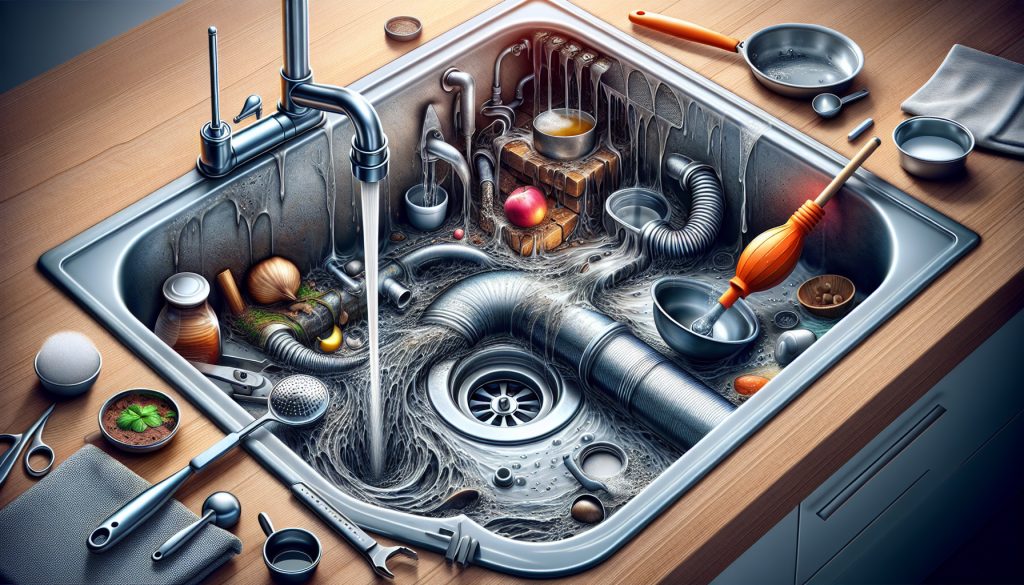
Discovering a clogged kitchen sink can throw a wrench into your routine, leaving you with a mess that needs immediate attention. The key to tackling this issue is understanding how to unclog a kitchen sink drain effectively, so you can restore your sink back to its smooth-flowing state.
From the food particles to accumulated grease, a variety of culprits could be responsible for your kitchen sink woes. But fear not, as there are several tried-and-tested methods and handy tools that can help you conquer even the most stubborn clogs. Let's explore the steps and solutions that can get your sink back in order.
How to unclog your kitchen sink in just 3 steps
When you're faced with a clogged sink, you want the quickest possible solution. Three simple steps can often do the trick: identifying the problem, choosing your tool, and executing the unclogging process.
Firstly, examine the sink to see if the clog is visible or if standing water is present. Next, select a tool—this could be a plunger or a homemade concoction. Lastly, use this tool to dislodge or dissolve the clog, checking frequently to see if water drainage has improved.
For many, a combination of hot water, baking soda, and vinegar can effectively remove the blockage. Pour boiling water down the drain, followed by a cup of baking soda and a mixture of vinegar and hot water. Cover the drain, wait for the fizzing to subside, and then rinse with more hot water.
What are the best methods to unclog a kitchen sink drain?
There are multiple ways to address a clogged kitchen sink, each suited to different types of blockages. For example, a plunger can be an effective first line of attack, especially if you're dealing with water that won't drain. Ensuring a good seal around the plunger's edge and using vigorous motions can help create the pressure needed to displace the clog.
If the plunger doesn't work, you may need to escalate to a drain snake or auger. This flexible tool can reach deep into the pipes to break up or retrieve clogs that are out of reach for other methods.
For a more natural approach, many homeowners swear by a combination of baking soda and vinegar. This chemical reaction can break down grease and debris, making it easier to flush away the clog.
In cases where a more powerful solution is needed, enzymatic or chemical cleaners like Liquid-Plumr or Drano might be the answer. It's important to follow the instructions carefully when using these products to avoid damage to your pipes or harm to yourself.
How to unclog a kitchen sink with standing water?
When your kitchen sink is full of standing water, the blockage is usually situated right below the drain or deeper within the piping. Begin by removing as much water as possible—this could involve bailing out the water with a cup or small container.
Once the water level is manageable, you can attempt to use a plunger. Make sure there's enough water to form a seal around the plunger, and then plunge vigorously to try and dislodge the blockage.
In some cases, you might need to clean out the P-trap, which is the curved section of pipe under the sink. Placing a bucket underneath to catch any spillage, remove the P-trap and clear out any obstructions manually.
If these methods don't work, it may be time to use a drain snake. Feed the snake down the drain until you feel resistance, then turn and push to break through the clog.
What tools are needed to unclog a bathroom sink?
While this article focuses on kitchen sinks, the tools needed to unclog a bathroom sink are quite similar. Essential tools include a plunger, a drain snake, and potentially a pair of pliers or a wrench to disassemble the P-trap.
- A plunger can help to dislodge clogs close to the surface.
- A drain snake is useful for deeper clogs and can navigate the bends of bathroom sink pipes.
- For hair clogs, consider using a plastic hair-removal tool designed to snag and pull out hair without needing to remove the P-trap.
It's also helpful to have a bucket and some rags on hand to deal with any water that may spill out when you're working under the sink.
How to use a drain snake effectively?
Using a drain snake can be intimidating, but it's a highly effective tool for removing clogs. Start by inserting the end of the snake into the drain and turning the handle to extend the snake down the pipe.
When you feel resistance, you've likely reached the clog. Continue to turn the handle while applying gentle pressure to break through the obstruction. You may need to retract the snake and clean off any debris before trying again.
Once the clog is cleared, flush the drain with hot water to ensure that any remaining debris is washed away. It's important to use the drain snake carefully to avoid damaging the pipes.
What are some home remedies for a clogged kitchen sink?
Home remedies are often the first line of defense against a clogged kitchen sink. These solutions are usually non-toxic, environmentally friendly, and easy to use.
- Baking soda and vinegar: The classic combination of these two household items can create a fizzy reaction that helps break down grease and grime.
- Boiling water: Sometimes, simply pouring boiling water down the drain can melt away fat and loosen up clogs.
- Salt and baking soda: Mixing half a cup of table salt with half a cup of baking soda and pouring it down the drain, followed by boiling water, can work as an abrasive cleaner to scrub away clogs.
- Lemon juice and baking soda: For a more pleasant-smelling alternative, lemon juice can be used instead of vinegar.
- Plunger: A good old-fashioned plunger can create enough suction to dislodge many clogs without the need for chemicals.
These remedies can be particularly effective for minor clogs and are worth trying before resorting to chemical cleaners or professional assistance.
How to unclog a kitchen sink with a garbage disposal?
If your kitchen sink comes equipped with a garbage disposal, the unclogging process may involve a few additional steps. First, ensure that the disposal is not the source of the clog. Turn off the power to the unit and use a flashlight to look for any visible blockages.
For disposals, avoid using chemical cleaners as they can damage the unit. Instead, try running the disposal to see if it can grind down the obstruction. If this doesn't work, you might need to manually turn the blades using an Allen wrench inserted into the bottom of the disposal.
If the clog persists, you can try the baking soda and vinegar method, but be sure to run the disposal briefly after the treatment to help break down the clog.
Should these efforts fail, it may be necessary to disconnect the disposal and inspect the drain pipe for obstructions. Always make sure the power is turned off before attempting any repairs on your garbage disposal.
Related Questions on Kitchen Sink Drain Unclogging
What is the best thing to unclog a kitchen sink drain?
The best thing to unclog a kitchen sink drain depends on the nature of the clog. For grease and food particles, a combination of boiling water, baking soda, and vinegar can be very effective. For tougher clogs, a drain snake or a plunger may be necessary.
For those who prefer a chemical solution, products like Liquid-Plumr and Drano are formulated to break down clogs. However, these should be used as a last resort due to their potential to harm pipes and the environment.
Do baking soda and vinegar work better than Drano?
Baking soda and vinegar can be a safer and more environmentally friendly alternative to Drano, especially for minor clogs. This home remedy is non-toxic and can be used regularly without the risk of pipe damage.
However, for severe clogs, Drano may provide a more powerful solution. It's important to follow the product's instructions carefully and to use it sparingly to avoid potential damage to your plumbing system.
What liquid do plumbers use to unclog drains?
Professional plumbers often use a variety of liquids to unclog drains, depending on the situation. For general clogs, they might use high-strength enzymatic cleaners that digest organic matter without harming pipes.
In more severe cases, plumbers might resort to acidic or alkaline drain cleaners that can dissolve even the toughest blockages. Safety precautions are essential when using these potent chemicals.
What will dissolve hair in a clogged drain?
Hair clogs are a common issue, especially in bathroom sinks and showers. To dissolve hair in a clogged drain, you can use a combination of baking soda and vinegar, which may help to break down the hair.
For more persistent hair clogs, there are specific chemical cleaners designed to dissolve hair. These products often contain sodium hydroxide or other strong chemicals, so they should be used with caution. Always wear gloves and protective eyewear when handling these substances.
Remember, regular maintenance and mindful disposal practices are essential to prevent clogs from occurring in the first place. By incorporating these tips and solutions into your routine, you can keep your kitchen and bathroom sinks clear and fully functional.


Leave a Reply