
Dishwasher Plumbing
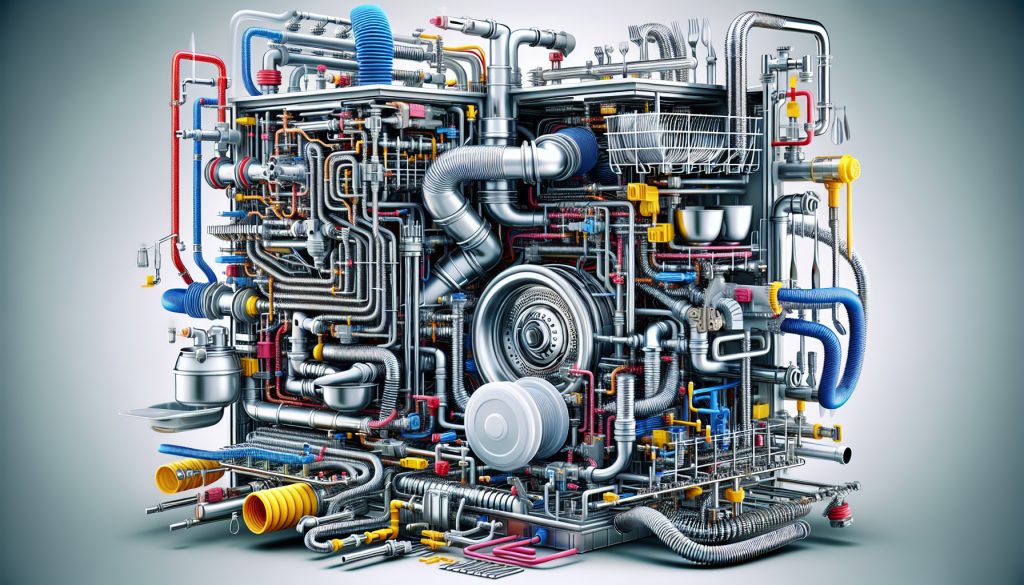
Understanding the complexities of dishwasher plumbing is crucial for homeowners who want to ensure their appliance operates efficiently and safely. This article delves into the specifics of installing a dishwasher, highlighting the importance of proper connections and plumbing practices.
What is Dishwasher Plumbing?
Dishwasher plumbing involves connecting your dishwasher to the necessary power, water supply, and drain lines. This ensures it functions seamlessly with your home's existing plumbing system. Without these critical connections, your dishwasher would be unable to fill, rinse or drain properly.
The plumbing requirements for a dishwasher generally include a hot water supply line and a drain line. Moreover, an air gap might be necessary to prevent backflow and contamination of clean dishes. Proper insulation of these lines is also vital to minimize the risks of leaks and water damage.
Understanding the intricacies of dishwasher plumbing is key, especially if you are planning a DIY installation. It helps prevent common mistakes that could lead to costly repairs or inefficient appliance performance.
Why Is Proper Dishwasher Plumbing Important?
Proper dishwasher plumbing is crucial for several reasons. Firstly, it ensures that your dishwasher operates at peak efficiency, saving you time and energy. Secondly, correct plumbing prevents water leakage, which can cause significant damage to your home and lead to expensive repairs.
Furthermore, proper installation ensures that your dishwasher is compliant with local building codes and regulations. This compliance is essential for maintaining the validity of your homeowner's insurance policy. Always prioritize safety and efficiency by ensuring that your dishwasher plumbing is done correctly.
Lastly, good plumbing practices extend the lifespan of your dishwasher by preventing undue stress on the appliance. This means fewer breakdowns and a more reliable kitchen routine.
How To Prepare For Dishwasher Installation?
Preparing for a dishwasher installation involves several important steps. Firstly, ensure that the area where you plan to install the dishwasher is clean and easily accessible. Remove any debris or obstacles that might hinder the installation process.
Next, check if your kitchen's plumbing is equipped to handle a dishwasher. This means verifying that there are adequate water supply and drain lines near the installation site. Additionally, confirm that there is a suitable power outlet nearby or plan for an electrician to install one.
Measure the space carefully to ensure that your new dishwasher will fit. Remember to account for any additional space needed for insulation and connections. Proper preparation can make the installation process smoother and quicker.
What Are The Essential Tools For Dishwasher Plumbing?
When it comes to dishwasher plumbing, having the right tools on hand is essential for a successful installation. You will need a variety of tools, including:
- Adjustable wrenches
- Pliers
- Screwdrivers
- Level
- Teflon tape
- Pipe cutter or hacksaw
Depending on the type of dishwasher and plumbing in your home, you may also need additional fittings or adapters. Always refer to the manufacturer's instructions to ensure you have all the necessary equipment before you begin the installation process.
It's also wise to have some old towels or a bucket handy to catch any water that may spill when disconnecting old plumbing lines.
How To Connect A Dishwasher To The Sink?
Connecting a dishwasher to the sink is a common setup in many homes. The process typically involves tapping into the sink's water supply and drain lines to provide the dishwasher with the necessary resources to operate.
First, turn off the water supply to prevent leaks during installation. Then, install a dual outlet valve under the sink to connect both the dishwasher and the sink to the water supply. For the drain, you'll need to attach the dishwasher's drain hose to the sink's drain pipe, which might require a dishwasher connector kit.
It's important to ensure that all connections are secure and leak-free. Running a test cycle after installation can help identify any issues with the connections before you start using the dishwasher regularly.
When Should You Call A Professional For Dishwasher Plumbing?
If you're not confident in your ability to install a dishwasher or if you encounter any complications during the process, it’s wise to call a professional plumber. Certified plumbers can ensure that the installation is completed correctly and up to code, providing peace of mind.
Some situations that might require a professional include the need for new plumbing lines, modifications to cabinetry, or if you encounter electrical issues. These tasks can be complex and, if not done properly, could lead to damage or malfunction.
Professionals can also offer valuable advice on maintenance and the best practices to keep your dishwasher running smoothly for years to come.
What Are The Best Practices For Dishwasher Plumbing?
Adhering to best practices for dishwasher plumbing is essential for the longevity and efficiency of your appliance. Here are some key tips:
- Use high-quality materials: Invest in durable water supply lines and drain hoses to avoid leaks and bursts.
- Follow local codes: Ensure your installation meets all local building and plumbing codes to avoid penalties.
- Secure connections: Double-check all connections for tightness to prevent leaks.
- Regular maintenance: Clean filters and inspect hoses periodically to prevent clogs and wear.
These practices not only ensure a successful installation but also contribute to the optimal operation of your dishwasher.
Related Questions on Dishwasher Plumbing
What Plumbing Is Required for a Dishwasher?
The plumbing required for a dishwasher typically includes a hot water supply line and a drain line. You may also need an air gap or additional valves depending on local regulations.
Ensuring that these elements are correctly installed is vital for the functionality and safety of your dishwasher. Incorrect plumbing can lead to poor performance or even damage to your appliance.
Do Dishwasher and Sink Share the Same Drain?
Often, dishwashers and sinks do share the same drain. However, it's important to install the dishwasher drain properly to prevent backflow and to ensure optimal drainage for both the sink and the dishwasher.
Utilizing a high loop or air gap can prevent dirty water from backflowing into the dishwasher, which is an essential aspect of a proper installation.
How Hard Is It to Install Plumbing for a Dishwasher?
The difficulty of installing plumbing for a dishwasher can vary. For a person with basic DIY skills and the right tools, it's a manageable task. However, complex situations or a lack of experience might make it challenging.
It's important to follow all instructions carefully and consider your own skills and experience before deciding whether to undertake the installation yourself or hire a professional.
How Much Does It Cost for a Plumber to Plumb in a Dishwasher?
The cost of hiring a plumber to install a dishwasher can vary widely based on location, the complexity of the job, and other factors. On average, you can expect to pay between $150 to $500 for a standard installation.
Be sure to get a few quotes from local plumbers to find the best deal and ensure that the plumber you choose is licensed and insured.
To summarize, dishwasher plumbing is a key aspect of kitchen installations that requires attention to detail and proper technique. Whether you choose to DIY or hire a professional, following the guidelines provided in this article will help you achieve a successful installation and maintain a well-functioning appliance.


Leave a Reply