
Water Pipe Plumbing
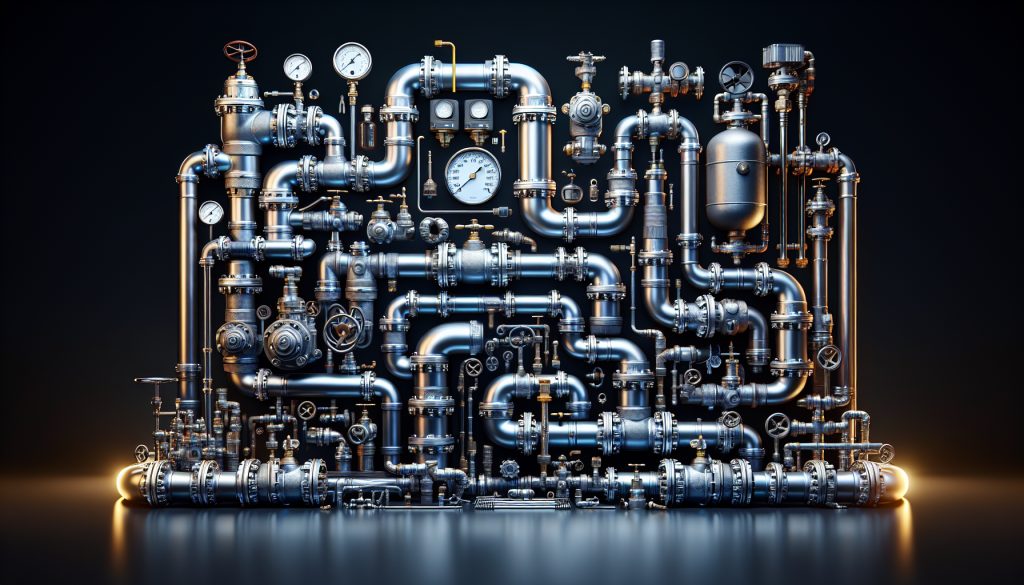
Water pipe plumbing is an essential aspect of any residential structure, providing a vital service by supplying clean water and disposing of wastewater efficiently. Understanding the types of water pipes in your home and their maintenance requirements can save you time and money in the long run.
What type of water pipe plumbing is best for your home?
The best type of water pipe plumbing for your home depends on several factors such as local building codes, water quality, and budget. Some popular options include PEX, PVC, copper, and galvanized steel, each with its own set of advantages and drawbacks.
PEX pipes are flexible, resistant to freezing, and easy to install, making them a popular choice for new homes and retrofitting. PVC pipes are cost-effective and ideal for drain lines, whereas copper pipes are durable and have a long lifespan, but can be expensive. Galvanized steel pipes, though once common, are now less favored due to their susceptibility to corrosion and mineral buildup.
How do you identify what pipes your home has?
Identifying the types of pipes in your home can typically be done by inspecting the color, markings, and connections of the pipes. Copper pipes are easy to identify by their metallic color, while PEX pipes come in red, blue, or white, indicating hot, cold, and neutral lines respectively.
- Check visible pipes in basements, crawlspaces, and utility areas.
- Look for any stamps or labels that indicate the material.
- Examine the pipe connections and fittings, as different materials use specific types of joints.
What are the different types of water pipe plumbing materials?
Common plumbing materials include PEX, PVC, copper, and galvanized steel. PEX is known for its flexibility and ease of installation, while PVC is widely used for its affordability and versatility in non-potable installations.
Copper has been a trusted material for decades due to its durability and resistance to bacteria. Galvanized steel, although less common today, was once the standard for water supply lines before the discovery of its tendency to corrode over time.
Polybutylene was once considered revolutionary but is now known for its tendency to break down and cause leaks, leading to its discontinuation in the plumbing industry.
How do you choose the right water pipe for your plumbing?
Choosing the right water pipe involves considering factors such as water quality, longevity, and plumbing codes. It is crucial to select materials that are safe for drinking water and approved for use in your area.
Consult with local plumbers or building departments to understand the best options for your region. Additionally, consider the long-term maintenance costs and the expected lifespan of the pipes before making a decision.
What are the common plumbing mistakes to avoid?
Avoiding common plumbing mistakes can prevent costly repairs and ensure a well-functioning system. Some mistakes to be wary of include using mismatched piping materials, neglecting local codes, and improper sealing of joints and fittings.
Another misstep is failing to provide adequate support for the pipes, which can lead to sagging and eventual stress cracks or breaks. DIY repairs without proper knowledge can also lead to further issues, so when in doubt, consult a professional.
How do you maintain your water pipe plumbing system?
Maintaining your water pipe plumbing system involves regular inspections for leaks, corrosion, and damage. Insulating pipes to prevent freezing, flushing sediment from water heaters, and reducing water pressure if it's too high are also crucial steps.
- Regularly check for signs of leaks such as water stains, mold, or mildew.
- Use water softeners if necessary to prevent mineral buildup in pipes.
- Have a professional plumber conduct annual inspections.
When should you call a professional plumber for help?
Calling a professional plumber is advisable when facing complex issues like persistent leaks, low water pressure, or when installing new fixtures or appliances. Professional plumbers have the expertise and tools to diagnose and fix problems efficiently, avoiding potential DIY mishaps.
If you're planning major renovations or suspect there may be compliance issues with your plumbing system, a licensed plumber can ensure that your system meets all safety standards and regulations.
What is the best pipe for water supply in your home?
The best pipe for water supply in your home will depend on your specific needs. Copper is highly durable and has antibacterial properties, PEX is flexible and resistant to scale and chlorine, and PVC is best suited for drain lines and non-potable water.
When choosing a pipe for water supply, consider the longevity, health implications, environmental impact, and the total cost of installation and maintenance over the pipe's lifetime.
Preguntas relacionadas sobre water pipe plumbing
What is a water pipe in plumbing?
A water pipe in plumbing is a tube or conduit that transports potable water from the municipal supply or a private well to various fixtures and appliances within a building. These pipes are integral to the plumbing system and must meet specific standards for safety and durability.
The materials used for these pipes vary, and selecting the right one is crucial to ensure a reliable and safe water supply.
How much to repipe a 2000 square foot house?
Repiping a 2000 square foot house can vary in cost depending on numerous factors such as the type of pipes used, the complexity of the installation, and the geographic location. On average, homeowners might expect to pay anywhere from $4,000 to $15,000 for a full repipe project.
It's important to get multiple quotes from reputable plumbers and to consider the long-term benefits of choosing higher-quality materials even if the initial cost is higher.
What kind of pipe is used for water lines?
Common types of pipes used for water lines include PEX, PVC, copper, and, historically, galvanized steel and polybutylene. Nowadays, PEX and copper are the preferred choices for water supply lines due to their durability and safety.
Each material has its application-specific advantages and potential drawbacks, which should be considered during selection.
Is PEX pipe better than PVC?
PEX pipe is often considered better than PVC for indoor water distribution as it is more flexible, easier to install, and less likely to burst from freezing. PEX is also more resistant to the chemicals found in the water supply.
However, PVC still has its place in plumbing, particularly for drain lines and outdoor applications where UV exposure is not a concern.
Remember, a well-maintained plumbing system is crucial for the longevity of your home's infrastructure. Regular inspections and timely repairs can prevent larger issues and provide peace of mind for homeowners. Whether you're installing new pipes or maintaining existing ones, always prioritize safety, durability, and adherence to local codes and standards.



Leave a Reply