
Domestic Plumbing
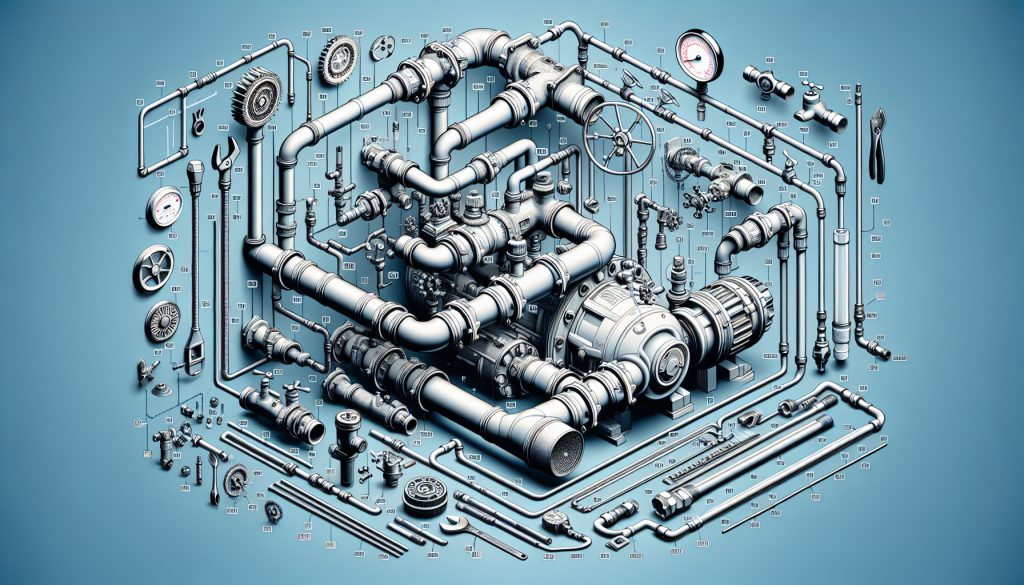
Plumbing is an essential component of any home, ensuring that water flows in and out seamlessly. Understanding the basics of domestic plumbing is crucial for maintenance and when issues arise.
Choosing the right plumbing system and knowing how to address common problems can save homeowners time and money.
Plumbing basics
At the heart of any home is its plumbing system, a network that should be both efficient and reliable. The system is divided into two key subsystems: the water supply that brings fresh water in, and the drainage system that takes waste water out. Fixtures like sinks and toilets bridge these systems, while vent pipes ensure proper air circulation to prevent sewer gases from infiltrating living spaces.
The water supply system operates under pressure to deliver water to your home. It has both main and individual shutoff valves for convenient repairs. Hot water needs are met by heating in a tank, set to a specific temperature. The drainage system, on the other hand, relies on gravity and includes traps that form a seal against sewer gases, allowing for safe waste removal.
Understanding these components is not just about troubleshooting; it's about ensuring the longevity and efficiency of your home's plumbing.
What is the difference between domestic and commercial plumbing?
When we talk about domestic plumbing, we're referring to the systems found in residential properties—those designed to cater to the needs of a household. This includes tasks like installing water heaters, fixing leaks, and repairing toilets. Commercial plumbing, however, deals with larger scale operations such as hotels and restaurants, requiring more complex systems and higher capacity fixtures.
Commercial systems face different challenges, from the speed of repairs to dealing with potential large-scale damage. They demand durable fixtures that can withstand greater usage but are also more susceptible to issues that require extensive and often expensive repairs.
For those engaged in commercial plumbing, the expectations are high, with strict regulations and timelines to adhere to. Such intricate work calls for a higher level of qualification in comparison to domestic plumbing services.
6 different types of home plumbing pipes and how to choose one
- PVC Pipes: Ideal for drain and vent lines, they are lightweight, easy to work with, and resistant to corrosion.
- PEX Pipes: Known for their flexibility, PEX pipes are great for water supply lines and are increasingly popular in modern homes.
- Copper Pipes: Durable and reliable, copper is a traditional choice for both hot and cold water delivery.
- Galvanized Steel: Strong but susceptible to corrosion over time, these pipes are less common in new homes.
- Cast Iron Pipes: Used for their durability, especially in sewer lines, but are heavy and difficult to cut.
- ABS Pipes: Similar to PVC but more rigid, ABS is used for drain and waste removal.
Choosing the right type of pipe for your home involves considering factors like water quality, budget, and the specific needs of your plumbing system.
Understanding domestic plumbing: key components and functions
An effective domestic plumbing system is built on a firm understanding of its key components and their functions. The supply system, responsible for delivering fresh water, is pressurized to ensure that water reaches all areas of the home. The drainage system, which removes waste water, operates through gravity and includes traps and vents to prevent sewer gas backflow and maintain proper atmospheric pressure.
Another essential element is the DWV system (Drain-Waste-Vent), which is a combination of pipes, vents, and traps that work together to ensure that waste is removed effectively and safely. By grasping these components, homeowners are better equipped to manage maintenance and respond to issues as they arise.
What are the most common domestic plumbing problems?
The world of domestic plumbing is not without its challenges. Common issues include dripping faucets, leaky pipes, clogged drains, running toilets, and low water pressure. Each of these problems can lead to bigger concerns if not addressed promptly, such as water damage and higher utility bills.
Another frequent issue is a faulty water heater, which can disrupt your supply of hot water. Being proactive about these common problems can help maintain a functional home plumbing system.
How to choose the right plumbing pipes for your home?
Selecting the right plumbing pipes for your home is a decision that should be made with careful consideration. Factors such as the age of the home, local building codes, water quality, and budget must all be taken into account. It's also important to think about the longevity and durability of the materials, as well as any potential health concerns associated with them.
Consulting with a professional plumber can provide valuable insight into what materials are best suited for your specific situation and ensure that your plumbing system is up to code and efficiently meets your family's needs.
Exploring the importance of professional plumbing services
Professional plumbing services are invaluable when it comes to maintaining the integrity of your home's plumbing system. These experts bring a level of expertise and experience that is vital for complex installations, troubleshooting difficult issues, and providing regular maintenance.
They also stay up to date with the latest technology and techniques, which can translate to more efficient and cost-effective solutions for your plumbing needs. The peace of mind that comes with professional oversight is well worth the investment.
What are the key differences between domestic and commercial plumbing?
The key differences between domestic and commercial plumbing lie in the scale and complexity of the systems. Commercial plumbing projects often involve multiple floors and numerous fixtures, requiring a different approach to logistics and management than smaller-scale domestic tasks. The materials used in commercial settings are also typically designed for higher usage, meaning they're more durable but also more expensive to repair or replace.
Due to these differences, commercial plumbers often need specialized training and certifications to meet the demands of large-scale plumbing systems.
Domestic plumbing explained: related questions
What is the meaning of domestic plumbing?
Domestic plumbing refers to the plumbing systems installed in residential properties, which handle the distribution and removal of water within a home. It encompasses all the fixtures, pipes, valves, and appliances that work together to provide fresh water and dispose of wastewater.
Understanding domestic plumbing is crucial for homeowners to maintain their systems, address issues, and make informed decisions about upgrades and repairs.
What is domestic water plumbing?
Domestic water plumbing is the system within a residence that ensures the delivery of clean water for drinking, cooking, bathing, and other household needs. It includes the water supply lines that bring water into the home and distribute it to various fixtures.
This system is critical for the day-to-day functioning of a household and requires regular checks to ensure it remains safe and efficient.
What are the three types of plumbing?
There are three primary types of plumbing systems: potable water, sanitary drainage, and stormwater drainage. Potable water systems deliver clean water to a home, sanitary drainage systems remove waste water, and stormwater drainage systems manage excess rainwater from roofs and ground surfaces to prevent flooding and water damage.
Each system plays a specific role in maintaining the health and safety of a home's occupants and the surrounding environment.
What's the difference between commercial and domestic plumbing?
The difference between commercial and domestic plumbing mainly revolves around scale and complexity. Commercial plumbing caters to the needs of businesses and public facilities, which typically have larger, more complex systems that require specialized knowledge and equipment to maintain.
Conversely, domestic plumbing is tailored to the more straightforward requirements of residential homes, focusing on the comfort and needs of individual families.
 New Plumbing Pipes
Leave a Reply