
Understanding Residential Plumbing
Finding the right solutions for your residential plumbing needs is crucial for the comfort and safety of your home. With a trusted team of experts in Naperville, you can ensure that your plumbing system operates smoothly and efficiently.
Whether you're facing a leaky faucet or planning a complete plumbing overhaul, understanding the ins and outs of residential plumbing is the first step to making informed decisions. Let's dive into the intricacies of plumbing systems designed specifically for homes.
What is residential plumbing?
At its core, residential plumbing refers to the network of pipes, fixtures, and systems that manage water flow within a home. This includes both the intake of clean water and the removal of wastewater. It's a critical component of modern living, ensuring that homeowners have access to clean water while maintaining sanitation and hygiene standards.
When it comes to understanding residential plumbing systems, it's about recognizing the unique requirements of a living space. Unlike commercial systems, which are designed to handle high-traffic usage, residential plumbing is tailored to the daily needs of families and individuals.
With a nuanced approach to each home's layout and usage patterns, residential plumbing professionals can offer customized solutions that keep households running smoothly.
How does a residential plumbing system work?
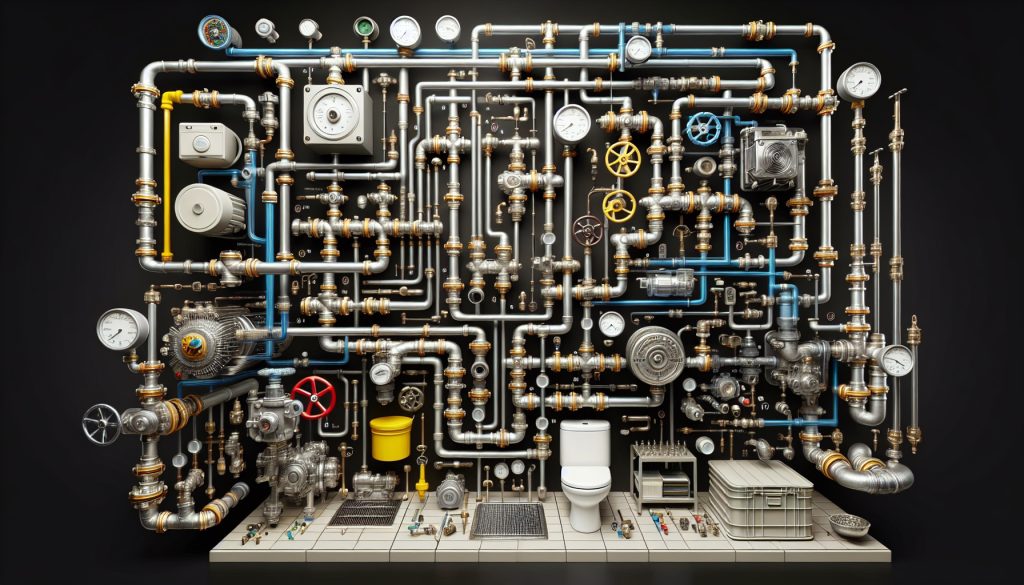
A residential plumbing system is a complex but logical network. It starts with a clean water supply line that brings fresh water into the home. This water is then distributed to various fixtures, including sinks, toilets, and appliances.
The system also includes drainage pipes that remove wastewater from the home, directing it to the sewer or a septic tank. Properly functioning vent pipes are critical as they regulate the air pressure within the drainage pipes, preventing potential clogs and ensuring wastewater flows out smoothly.
Understanding the flow of water through these components is key to troubleshooting common issues and ensuring the long-term health of your plumbing system.
What are the key components of a residential plumbing system?
- Main water shut-off valve – the control point for your home's water supply.
- Pipes – the channels for water distribution and waste removal.
- Fixtures – the outlets for water usage, such as sinks and showers.
- Water heater – provides hot water to your home.
- Sump pump – prevents flooding by removing excess water.
All these components work together to create an efficient system for managing water in your home. Knowing where they are located and how they function can save you time and money in the event of a plumbing issue.
How to choose the right residential plumbing contractor?
Selecting a reputable residential plumbing contractor is vital for quality service. Look for licensed and insured professionals with a strong track record of customer satisfaction. Ask for referrals from friends and neighbors in Naperville or check online reviews for honest feedback on contractors' work.
It's wise to solicit quotes from multiple contractors to ensure you're getting fair pricing. However, don't let cost be the only factor – expertise, reliability, and service quality are equally important.
Lastly, ensure the contractor you choose is comfortable explaining their processes and is willing to answer any questions you may have. Good communication is the foundation of a successful contractor-client relationship.
What are the common residential plumbing problems?
Homeowners often encounter a range of plumbing issues, from minor annoyances to major headaches. Some common problems include:
- Dripping faucets – often caused by worn-out washers or O-rings.
- Clogged drains – resulting from a build-up of hair, grease, or other debris.
- Running toilets – which can waste a significant amount of water.
- Leaky pipes – potentially leading to water damage and mold growth.
- Water heater issues – such as a lack of hot water or leakages.
Addressing these issues promptly can prevent them from escalating into bigger, more costly repairs.
When should you call a professional residential plumber?
While some minor repairs can be tackled by a handy homeowner, there are times when it's best to call a professional residential plumber. This includes situations such as:
- Significant water leaks that could lead to structural damage.
- Suspected gas line issues, which require immediate expert attention.
- Major blockages that can't be resolved with a plunger or drain cleaner.
- Installation of new pipes, fixtures, or appliances that involve plumbing.
- Upgrades or remodeling projects that involve moving existing plumbing.
Professional plumbers have the tools, knowledge, and experience to handle complex issues safely and efficiently.
How to maintain your residential plumbing system?
Regular maintenance is key to a healthy plumbing system. Simple steps include:
- Checking for leaks regularly and repairing them promptly.
- Cleaning drains to prevent clogs and unpleasant odors.
- Insulating pipes to protect against freezing during the winter months.
- Flushing your water heater annually to remove sediment buildup.
- Being mindful of what you flush or pour down drains to avoid blockages.
Consider a yearly inspection by a professional to catch potential problems early.
Digging deeper into residential plumbing queries
What is residential plumbing?
Residential plumbing refers to the systems within a home that supply clean water for daily use and carry away wastewater. It's a network of pipes, fixtures, and appliances that work together to provide convenience and sanitation.
When considering plumbing services, it's crucial to focus on the specific needs of a household, ensuring that the systems are adequately designed and maintained to support day-to-day life.
How much to replumb a 2000 sq ft house?
The cost to replumb a 2000 sq ft house varies widely based on factors like regional labor rates, the complexity of the job, and the materials chosen. Generally, homeowners can expect to spend anywhere from a few thousand dollars to upwards of $10,000.
It's essential to obtain detailed estimates from several contractors to understand the scope and cost of the project fully.
What are the three types of plumbing?
The three main types of plumbing systems are:
- Potable water system – brings water into the home.
- Sanitary drainage system – removes wastewater from the home.
- Stormwater drainage system – manages runoff from rain and snow.
Each system has its distinct components and functions, but they must all work in harmony to ensure a safe and comfortable home environment.
What's the difference between commercial and domestic plumbing?
Commercial plumbing systems are designed to handle the high demands of businesses, public buildings, and large facilities. They are typically more complex, featuring stronger pipes and fixtures, and require adherence to stringent codes.
Domestic plumbing, on the other hand, caters to the day-to-day needs of households. It's scaled to support activities like cooking, cleaning, and bathing, with a focus on efficiency and ease of use.
Understanding these systems can help homeowners appreciate the intricacies of residential plumbing and make educated decisions when it comes to repairs, maintenance, and renovations.


Leave a Reply