
Water Plumbing
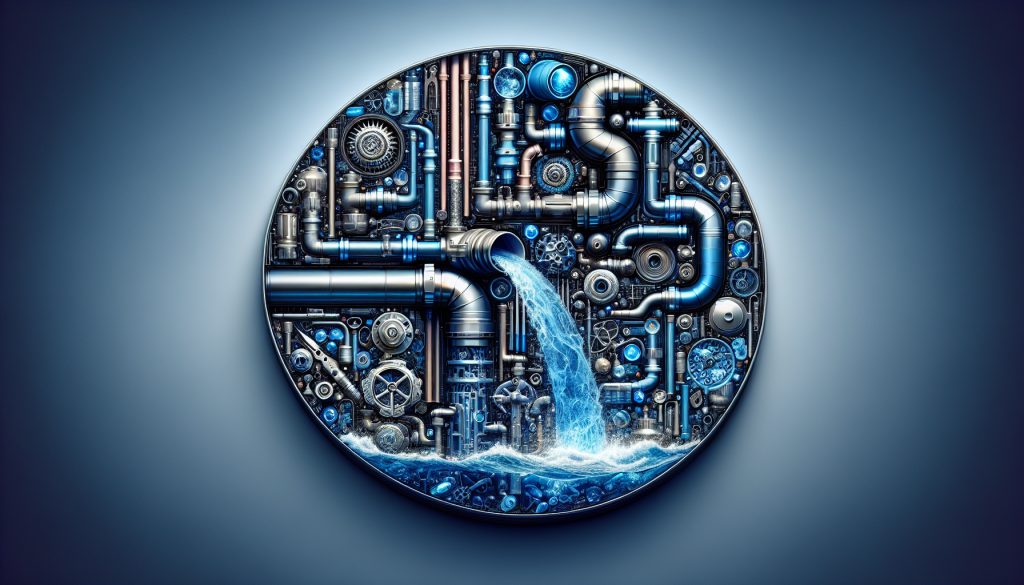
Water Plumbing: Your Ultimate Guide to Home Plumbing
Understanding the intricacies of water plumbing is essential for any homeowner. Not only does it ensure the smooth operation of daily tasks, but it also protects the integrity of your home's infrastructure.
What Is Water Plumbing?
Water plumbing is a critical aspect of modern living, referring to the system within a building that manages the flow of water. It includes the entire journey of water from its source to various outlets and back to the environment.
Plumbing systems are divided into two parts: the supply system brings fresh water in, and the drainage system carries waste water out. The efficient operation of these systems is key to maintaining a healthy, hygienic home.
Understanding how water plumbing works is beneficial for homeowners as it can help in identifying issues before they escalate, leading to potential savings in repairs and maintenance.
What Are the Main Components of Your Plumbing System?
- Pipes: The arteries of your plumbing, pipes transport water throughout the home.
- Valves: These are used to regulate water flow and pressure within the pipes.
- Water Heater: Provides hot water to fixtures that require it.
- Fixtures: End points of the plumbing system, such as sinks, toilets, and showers.
- Venting Pipes: Essential for preventing sewer gases from entering the home.
Each of these components must function properly to maintain a seamless water plumbing system.
How Does a Water Plumbing System Work?
The water plumbing system in your home is a complex network that relies on pressure and gravity. Water is typically supplied at high pressure which allows it to travel upwards, across levels, and through various pipelines before reaching its destination.
Once the water has been used, the drainage system takes over. This subsystem relies less on pressure and more on gravity to remove wastewater from the home and into the public sewer or septic systems.
Proper understanding and maintenance of this system are vital to ensure that clean water flows in and waste flows out without any backflow or contamination.
What Materials Are Best for Water Plumbing?
The choice of materials for your plumbing system can impact its durability, effectiveness, and safety. Common materials include:
- Copper: Renowned for its reliability and durability.
- PVC (Polyvinyl Chloride): A versatile and affordable plastic alternative.
- PEX (Crosslinked Polyethylene): Flexible and often used for indoor water plumbing.
Selecting the appropriate material for your water plumbing installation is crucial and often depends on local building codes and the specific needs of your home.
What Common Mistakes Should You Avoid in Plumbing?
Plumbing errors can lead to significant issues within your home. Here are common mistakes to avoid:
- Incorrectly connecting different metals, leading to corrosion.
- Over-tightening fittings, which could cause breaks or leaks.
- Ignoring local codes and regulations.
- Not providing proper ventilation for waste pipes.
Understanding these pitfalls can prevent costly damage and ensure a functioning water plumbing system.
How Can You Troubleshoot Basic Plumbing Issues?
When faced with a plumbing issue, some basic troubleshooting can save you time and money. For instance:
Knowing how to unclog a drain with a plunger or a plumber's snake can quickly resolve blockages. Regularly checking for leaks under sinks can prevent larger issues. Also, learning to change washers on taps can fix common drips.
However, if you're unsure or the problem persists, it's best to call a professional to avoid exacerbating the issue.
When Should You Call a Professional Plumber?
While minor issues can often be dealt with personally, there are times when a professional plumber is necessary. If you encounter persistent blockages, leaks you can't locate, or issues with your water heater, it's time to call in the experts.
Professional plumbers have the tools and expertise to diagnose and solve complex problems, ensuring your system is up to code and operates efficiently.
Timely intervention by a professional can prevent minor problems from escalating into major repairs.
Water Plumbing Maintenance Tips for Longevity
Adequate maintenance is key to extending the life of your plumbing system. Here are tips to keep it in top shape:
- Regularly inspect for leaks or signs of corrosion.
- Clean aerators on faucets to ensure proper water flow.
- Flush your water heater annually to prevent sediment build-up.
- Use strainers in drains to prevent clogs from debris.
By following these tips, you can maintain a reliable water plumbing system while potentially avoiding costly repairs.
Related Questions on Water Plumbing
What Is the Meaning of Water Plumber?
A water plumber is a skilled tradesperson who specializes in installing, repairing, and maintaining the systems used for potable water, sewage, and drainage in plumbing systems. Their expertise is essential to ensure the proper functioning of these systems.
Plumbers are knowledgeable about local codes and regulations, which is crucial for safe and compliant installations and repairs.
What Are Three Types of Plumbing?
Three main types of plumbing are:
- Potable water supply plumbing provides fresh water for daily use.
- Sanitary drainage plumbing removes waste water and sewage.
- Stormwater drainage plumbing deals with rainwater runoff.
Each type plays a distinct role in maintaining the health and efficiency of a building's plumbing infrastructure.
What Is the Hourly Rate for a Local Plumber?
The hourly rate for a local plumber can vary based on location, experience, and the complexity of the job. Rates typically range from $45 to $150 per hour.
For specific projects or emergencies, plumbers may charge a flat rate or a premium for after-hours service.
How Much to Replumb a 2000 Sq Ft House?
The cost to replumb a 2000 sq ft house can range from $2,000 to $15,000 or more, depending on factors such as the materials used, the complexity of the job, and regional labor costs.
Getting multiple quotes and understanding the scope of the work can help you budget appropriately for this substantial investment.
In conclusion, understanding the various aspects of water plumbing, from its components and operation to maintenance and when to seek professional help, empowers homeowners to make informed decisions about their home plumbing systems. Regular upkeep, combined with a proactive approach to troubleshooting, can lead to a functional and efficient plumbing system that stands the test of time.
Leave a Reply