
Tub Plumbing
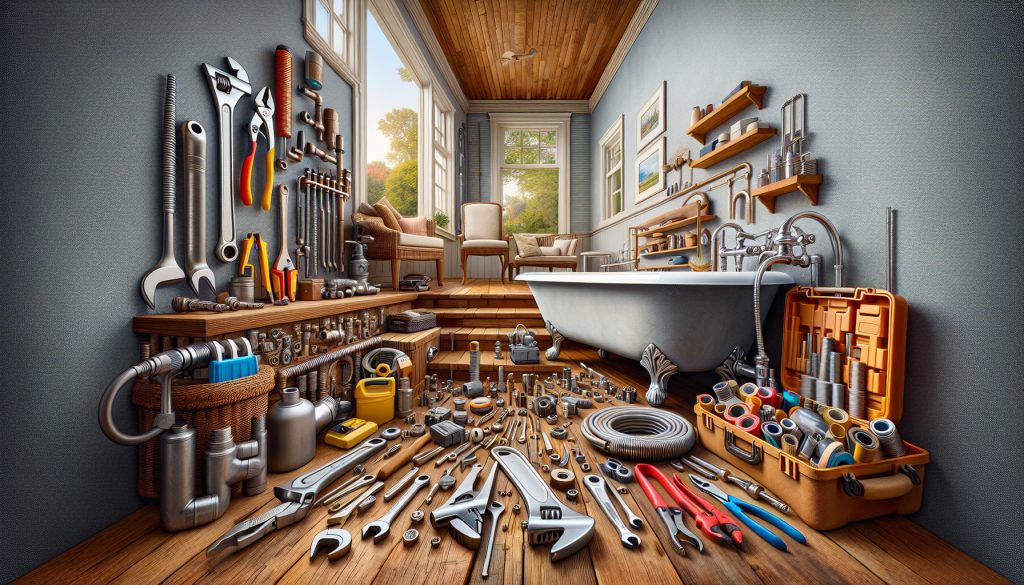
Understanding the intricacies of tub plumbing is essential for every homeowner. Not only does it ensure the smooth functioning of your bathroom, but it also plays a pivotal role in maintaining the overall hygiene and comfort of your home. Let's explore the essential knowledge and skills you need to manage and maintain your bathtub's plumbing effectively.
Whether you're dealing with a minor leak or planning a complete bathroom renovation, the proper knowledge of tub plumbing can save you time and money. This guide aims to provide you with a comprehensive understanding of the various components and how they work together to provide an efficient and reliable system.
What is tub plumbing and why is it important?
Tub plumbing involves the network of pipes, fixtures, and valves that manage the water flow into and out of a bathtub. It's a crucial part of your bathroom's infrastructure that affects daily routines like bathing and cleaning. Efficient tub plumbing is essential to prevent water waste and potential damage caused by leaks or blockages.
Understanding the basics of tub plumbing enables homeowners to identify and address issues quickly, potentially avoiding costly repairs. It also ensures that you can enjoy a relaxing bath without worrying about the technicalities hidden behind the walls and under the floor.
Moreover, knowing your tub plumbing can be particularly beneficial when you're remodeling your bathroom or installing new fixtures. It helps in making informed decisions about the types of materials and designs that best suit your home's requirements.
What are the essential tub plumbing parts?
A tub's plumbing system is composed of several key parts, each serving a specific function. These include the faucet, which controls the water's flow and temperature, and the shower diverter, which directs water to the showerhead or tub spout.
- Water supply lines deliver both hot and cold water to the tub.
- The drain assembly, which typically consists of a plug, drain, and overflow, removes used water.
- Vent pipes are also crucial as they help maintain proper atmospheric pressure in the pipes.
- Sealing elements, like plumber's putty and Teflon tape, ensure water-tight connections.
How to read a tub plumbing diagram?
Tub plumbing diagrams are visual representations of your bath's plumbing system. They illustrate the layout of pipes, fixtures, and connections, helping you or a professional navigate the system for repairs or upgrades.
Reading a plumbing diagram starts with identifying the main components: the supply lines, traps, drains, vents, and fixtures. Diagrams use standardized symbols to represent these parts, so familiarizing yourself with these symbols is the first step.
Such diagrams often come in handy during new installations or troubleshooting. They can show the directional flow of water, helping you understand how the system works as a whole.
It's a good practice to keep an updated plumbing diagram for your home, as it simplifies any future work on the system.
What are common tub plumbing issues and solutions?
Tub plumbing can encounter various issues, ranging from minor annoyances to significant problems requiring professional intervention. Common issues include dripping faucets, clogged drains, and leaky pipes.
For a dripping faucet, replacing worn-out washers or gaskets is often the solution. Clogged drains can typically be cleared with a plunger or a plumber's snake. For leaky pipes, identifying the source of the leak is crucial. Sometimes, tightening a connection or replacing a section of pipe can resolve the issue.
Another frequent problem is a malfunctioning diverter valve, which can prevent water from properly switching between the tub spout and the showerhead. In such cases, cleaning or replacing the valve can restore functionality.
When should you call a professional plumber for tub plumbing?
While some minor plumbing issues can be tackled with DIY methods, there are instances where calling a professional plumber is the best decision. If you're facing persistent leaks, low water pressure, or problems that involve the main water supply or sewer lines, it's time to call in the experts.
Professional plumbers have the experience and tools necessary to diagnose and fix complex problems efficiently. They can also ensure that repairs comply with local building codes and regulations.
Moreover, for projects that involve extensive plumbing alterations, such as relocating a tub or installing new pipes, the expertise of a plumber is invaluable.
How to maintain your tub plumbing system effectively?
Regular maintenance of your tub plumbing system can prevent common problems and extend its lifespan. This includes routine tasks like cleaning the drain to prevent clogs, inspecting for leaks, and checking the caulking around the tub.
It's also a smart practice to descale the faucet and showerhead periodically to prevent mineral buildup from hard water. Furthermore, you should check and replace washers and seals when they show signs of wear.
Keeping an eye on your water pressure is also advisable, as extreme variations can indicate underlying issues in the plumbing system.
What does a tub plumbing kit typically include?
A tub plumbing kit is designed to provide all the necessary components for a standard tub installation or repair. These kits often include the drain assembly, overflow cover, faucet or spout, and various seals and gaskets.
Higher-end kits may also come with additional features like a built-in diverter or designer fixtures. When selecting a plumbing kit, it's important to ensure compatibility with your existing system and the overall design of your bathroom.
Common sizes of tub plumbing parts
What are the common sizes of tub plumbing parts?
The sizes of tub plumbing parts can vary, but some standard dimensions are widely used. For instance, drain pipes typically measure 1.5 inches in diameter, while water supply lines are often 0.5 inches.
It's essential to use the correct size to ensure proper water flow and to prevent leaks or blockages in the system. When in doubt, consult the manufacturer's specifications or seek advice from a professional plumber.
Installing a bathtub drain
How do you install a bathtub drain?
To install a bathtub drain, start by applying plumber's putty around the flange of the new drain. Insert the drain into the tub's drain hole and screw it in place from above, ensuring a snug fit.
From below the tub, attach the gasket and washer to the drain's underside and secure it with the retaining nut. Connect the overflow cover with its accompanying gasket and screw it onto the tub.
Tools for tub plumbing installation
What tools do I need for tub plumbing installation?
The basic tools for tub plumbing installation include a wrench, pliers, screwdrivers, a plumber's snake, and a hacksaw. Sealants such as plumber's putty and Teflon tape are also necessary.
For more involved tasks, additional tools like a pipe cutter or a tubing bender might be required. Always wear protective gear, such as gloves and safety goggles, when working with plumbing tools.
Identifying leaks in tub plumbing
How can I identify a leak in my tub plumbing?
Leaks can often be identified by the presence of water stains, mold, or mildew around the tub area. You may also hear dripping sounds or notice a drop in water pressure.
Performing a visual inspection of pipes and connections for signs of corrosion or damage can also help locate leaks. If you're unable to find the source, a professional plumber can use specialized equipment to detect hidden leaks.
Materials for tub plumbing
What are the best materials for tub plumbing?
The best materials for tub plumbing depend on the specific needs of your home and local building codes. Copper, PVC, and PEX are popular choices for pipes due to their durability and ease of installation.
For fixtures, materials like brass, stainless steel, or high-quality plastics are preferred for their longevity and resistance to corrosion. Always choose materials that are suitable for the water conditions in your area.
When browsing through tub plumbing maintenance tips, check out this informative video: "Maintenance Tips for Tub Plumbing Systems".
A well-maintained tub plumbing system is a cornerstone of a functional and comfortable home. By understanding the essential parts, common issues, and maintenance practices, homeowners can ensure a smooth-running bathroom and avoid the inconvenience of unexpected repairs.
 House Plumbing
Leave a Reply