
House Plumbing
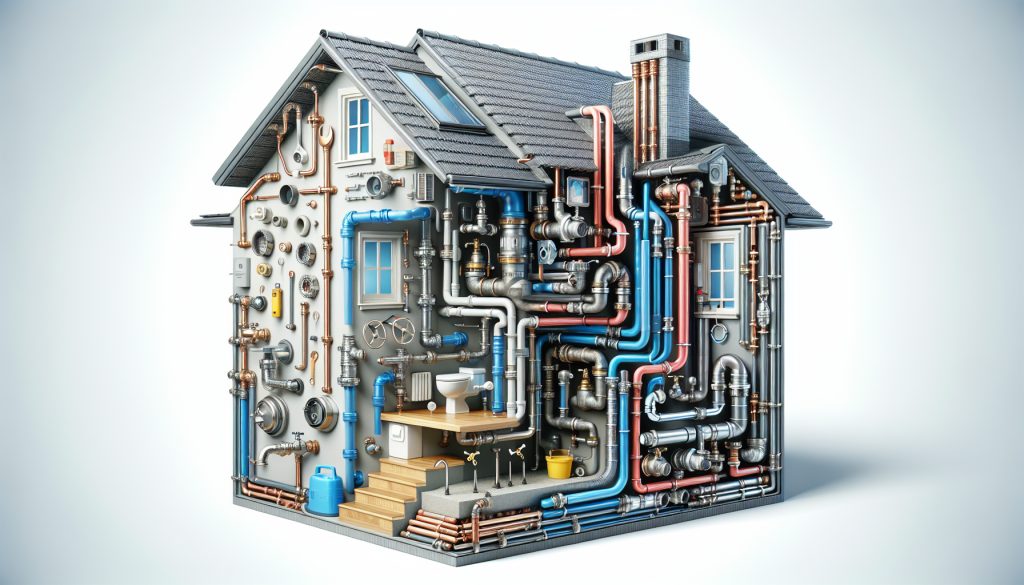
Every homeowner knows that a functioning house plumbing system is essential for a comfortable and hygienic living environment. From taking a warm shower to cooking dinner, clean water access and efficient waste removal are central to our daily routines.
Understanding the intricacies of your home's plumbing is not just about solving immediate issues; it's about ensuring longevity, efficiency, and safety in the long run. Let's delve into the key components and maintenance tips that will help you keep your plumbing in top shape.
What are the key components of a house plumbing system?
When it comes to house plumbing, several critical components work together to ensure a seamless flow of water into and out of your home. These include:
- Water Supply System: This subsystem is responsible for transporting fresh water into your home. It includes the main water line, pipes, and shut-off valves.
- Drain-Waste-Vent (DWV) System: After water is used, the DWV system carries waste and water away from the house, preventing any backflow.
- Plumbing Fixtures: These are the points of water usage, such as sinks, toilets, and showers, each equipped with a P-Trap to prevent odors.
- P-Trap: Located beneath fixtures, P-Traps hold a water seal that prevents sewer gases from entering the home.
- Shut-Off Valves: These valves allow you to turn off the water supply to individual fixtures or the entire house in case of an emergency.
How does the water supply system work in a house?
The water supply system in your home operates under pressure, delivering both cold and hot water on demand. This system is divided into two parts:
- Main Water Line: This is where water enters your home from the municipal supply or a private well.
- Interior Water Pipes: These pipes distribute water throughout your home to all plumbing fixtures.
Hot water is provided by a heater, which stores and heats water, ensuring it's available when you turn on the hot tap. It's crucial to regularly check pipes and connections for signs of wear to avoid leaks.
What is the role of the Drain-Waste-Vent system in plumbing?
The Drain-Waste-Vent system is vital for the removal of wastewater from your home. It consists of:
- Drain Pipes: These slanted pipes carry wastewater away from fixtures, relying on gravity.
- Waste Pipes: These handle the transport of water and waste to the sewer or septic tank.
- Vent Pipes: These prevent sewer gases from entering the home and help maintain the right pressure in the drain pipes.
How are plumbing fixtures connected to the plumbing system?
Plumbing fixtures are connected to the water supply system through pipes that provide both hot and cold water. Additionally, each fixture has a waste line that connects to the DWV system. It's essential for homeowners to understand these connections for troubleshooting and maintenance purposes.
What are common plumbing problems homeowners should be aware of?
Homeowners should be aware of common plumbing problems to prevent costly repairs and water damage. These issues include dripping faucets, clogged drains, running toilets, and leaky pipes. Recognizing these early can save you from more extensive problems down the line.
How can you perform basic plumbing maintenance at home?
Performing basic plumbing maintenance at home can prevent major issues. This includes regularly checking for leaks, cleaning aerators on faucets, testing water pressure, and flushing the water heater annually to remove sediment buildup.
When should you call a professional plumber for help?
While many minor repairs can be DIY tasks, certain situations require a professional plumber. If you encounter persistent clogs, low water pressure throughout the house, or if you need to install new fixtures or pipes, it's time to call in the experts.
Preguntas relacionadas sobre understanding house plumbing
How does plumbing work?
Plumbing works by providing a supply of water under pressure and removing waste via a drainage system. The water enters your home, is used, and then is carried away. It's a simple yet intricate system that requires periodic maintenance.
The water supply system brings in water, while the DWV system ensures waste is efficiently removed. Both systems rely on a network of pipes, valves, and fixtures.
What are the main components of a house plumbing system?
The main components include the water supply system (pipes, main water line, shut-off valves), the DWV system (drains, waste pipes, vents), and plumbing fixtures (sinks, toilets, showers).
Understanding each component's role helps homeowners identify potential issues and perform basic maintenance.
How can I maintain my house plumbing system?
Maintaining your plumbing system involves regular inspections for leaks, ensuring shut-off valves are functional, and avoiding putting harmful substances down the drain, which can cause clogs and damage.
Yearly maintenance tasks, such as flushing the water heater and checking the water pressure, are also crucial.
What plumbing issues should I look out for?
Common issues include leaks, clogs, and drips. Homeowners should also be vigilant for signs of water damage, such as stains on walls or ceilings, which can indicate hidden leaks.
Additionally, unusual noises or odors can signal a problem in the plumbing system that may require professional attention.
When is it necessary to hire a professional plumber?
You should hire a professional when faced with complex problems like installing new pipes, dealing with sewer blockages, or if you suspect a major leak that's not easily accessible.
A professional plumber has the expertise and tools to diagnose and fix issues that go beyond basic maintenance.
Remember, a well-maintained plumbing system not only prevents inconvenient disruptions but also conserves water and saves money on utility bills. With this guide, you're now equipped to understand and care for your home's plumbing, ensuring peace of mind and a healthy living environment.
 Plumbing Maintenance
Leave a Reply