
Plumbing Maintenance
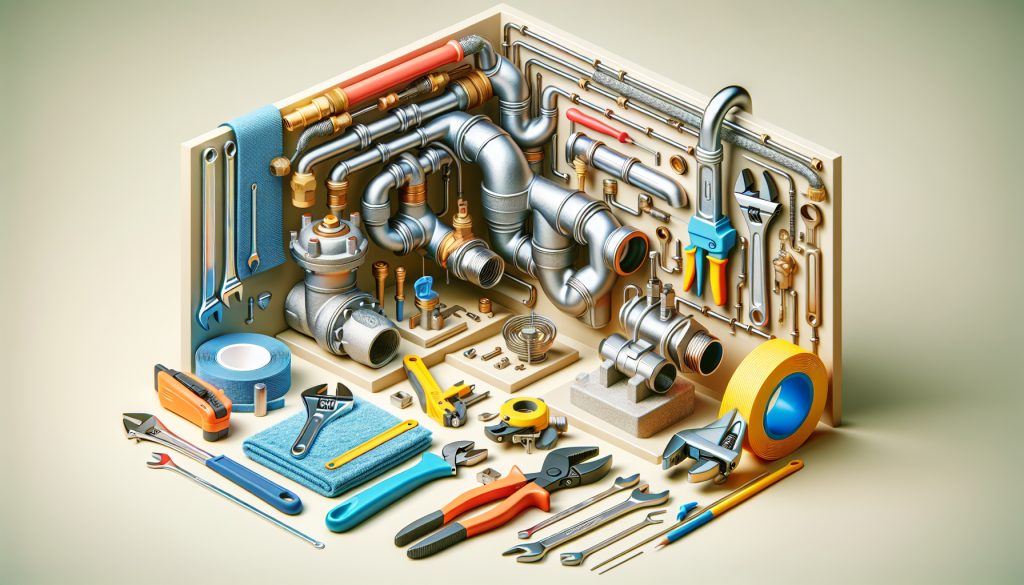
Maintaining your home's plumbing system is as crucial as any other aspect of property upkeep. A well-maintained plumbing system ensures a clean water supply and proper sanitation, contributing to a healthy living environment. By adhering to a preventive plumbing maintenance schedule, you can avoid the inconvenience and expense of unexpected repairs.
Daily Plumbing Maintenance: What Should You Check?
Every day brings a new opportunity to catch small issues before they escalate. Checking for leaks under sinks, monitoring water pressure, and listening for unusual noises in your pipes are quick daily maintenance tasks that can save you from future headaches. Consistency here is key in preventing significant damages.
It's also wise to observe how your drains are functioning. Slow drainage could be a sign of a developing clog. Moreover, keep an eye on the condition of your faucets and showerheads, as mineral buildup can affect water flow.
A routine examination of your toilets can reveal hidden leaks. A few drops of food coloring in the tank can test for a leaky flapper if the color appears in the bowl without flushing.
Weekly Plumbing Maintenance: How to Stay Ahead of Issues?
Weekly checks are your second layer of defense in plumbing maintenance. This is the time to clean out any collected debris in your sink and bathtub stoppers. You should also inspect your water-using appliances—like washing machines and dishwashers—for hose integrity.
Give your garbage disposal some attention by running it with ice cubes to sharpen the blades and flush out lingering food particles. Regularly assess the state of your water heater for any signs of leaks or rust as these can indicate looming issues.
Additionally, testing your sump pump periodically can prevent flooding. Pour a bucket of water into the sump pit and watch for the pump to activate.
Seasonal Plumbing Maintenance: What Steps Are Necessary?
- Inspect outdoor faucets and hose bibs to ensure they're not leaking and are properly shut off before the winter months.
- Clean gutters and downspouts to prevent water damage and ensure proper drainage.
- Flush your water heater to remove sediment buildup, which can enhance its efficiency and prolong its lifespan.
- Consider insulating pipes in unheated areas to prevent freezing and bursting in colder weather.
How Can Local Plumbers Assist in Maintenance?
Utilizing local plumbers for professional plumbing maintenance can be a game-changer. These experts can perform comprehensive inspections that a homeowner may not be equipped to do. They'll identify any potential issues, from hidden leaks to sewer line blockages, ensuring your system operates at peak efficiency.
They can also offer advice on the latest water-saving appliances or plumbing updates that could benefit your home. Having a professional on call provides peace of mind and access to prompt service when needed.
Building a relationship with a local plumbing service means they'll be familiar with your home's specific needs and can tailor maintenance accordingly.
What to Do When You Encounter Plumbing Problems?
When you face a plumbing issue, it's important to assess the situation calmly. Shut off the water source if necessary and call a professional if the problem is beyond your expertise. Addressing concerns promptly can prevent them from becoming emergencies.
Keep a basic toolkit handy for simple repairs, such as tightening loose fittings or unclogging drains with a plunger. However, for more complex tasks like repairing a water heater or fixing a sewer line, it's best to seek professional help.
Remember, while DIY solutions can be tempting, they may not always be the safest or most effective approach. When in doubt, consulting with a professional can save time and money in the long run.
Why Is Professional Plumbing Maintenance Crucial?
Professional maintenance is essential for the longevity and reliability of your plumbing system. Plumbers have the knowledge and tools to perform thorough inspections and cleanings that can prevent future problems. They can also pinpoint issues that may not be apparent to the untrained eye.
Hiring a professional ensures that all components of your system are up to code and functioning correctly. This can be especially important when it comes to warranty and insurance claims.
Moreover, professionals can provide specialized services like camera inspections of sewer lines and water jetting to clear stubborn clogs, which are not typically within the capability of most homeowners.
What Is the ROI of a Preventative Plumbing Maintenance Schedule?
A preventive maintenance schedule is an investment that offers a return in the form of avoided costs from emergency repairs, water damage, and wasted water from leaks. By maintaining your system's efficiency, you also save money on utility bills.
Statistics show that regular maintenance can help detect 85% of potential issues before they become emergencies. This proactive approach can significantly reduce the likelihood and severity of plumbing problems, thereby extending the life of your system.
Regular maintenance can also maintain and even increase your property's value by ensuring that one of its critical systems is in top condition.
Here’s a quick look at a simple way to maintain your plumbing system:
Related Questions on Plumbing Maintenance
What is plumbing maintenance?
Plumbing maintenance refers to the routine checks and repairs that ensure your plumbing system operates efficiently. It includes tasks like inspecting for leaks, cleaning drains, and servicing appliances.
Effective maintenance relies on following a scheduled plan that covers daily, weekly, and seasonal tasks to keep your plumbing in top shape.
What is routine plumbing maintenance?
Routine plumbing maintenance encompasses regular inspections and cleaning designed to prevent malfunctions. It often involves tasks like flushing the water heater, checking for leaks, and ensuring that valves are functioning properly.
Consistent application of simple maintenance steps can prevent the costly consequences of neglect, such as water damage and high utility bills.
How often should plumbing be serviced?
Your plumbing system should undergo a professional inspection at least once a year. However, many aspects of plumbing require more frequent attention. Daily, weekly, and seasonal tasks will help keep your system in good health.
Following a preventive maintenance schedule can lead to fewer emergencies and a more efficient home.
How do you maintain plumbing?
Maintaining plumbing involves regularly checking for leaks, cleaning aerators on faucets, inspecting pipes, and servicing major appliances. Simple DIY tasks can be supplemented with annual professional inspections.
Being proactive and attentive to your home's plumbing systems can prevent small issues from becoming costly disasters.
In conclusion, regular plumbing maintenance is vital for sustaining your home's efficiency and comfort. By embedding small checks into your daily and weekly routines, and scheduling professional inspections, you can secure your home's plumbing system from unexpected failures and costly repairs. Remember the importance of addressing issues promptly and relying on professional expertise for complex problems. Your diligence in maintaining your plumbing will preserve not only your property's integrity but also contribute to resource conservation and long-term savings.
Leave a Reply