
Bathroom Plumbing
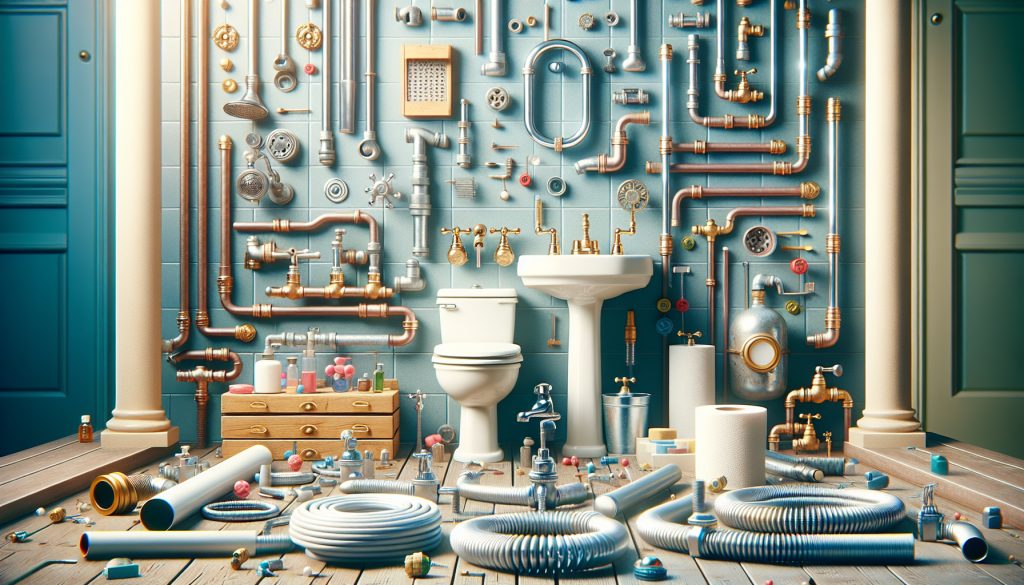
When considering a bathroom remodel or construction, understanding the intricacies of bathroom plumbing is crucial. From the correct installation of sink plumbing to ensuring efficient drainage, every detail can impact the functionality and design of your bathroom.
Whether you're a DIY enthusiast or a homeowner seeking knowledge before hiring a professional, this guide aims to provide you with comprehensive insights into the world of bathroom plumbing.
Bathroom sink plumbing: a comprehensive guide
Understanding the complexities of bathroom sink plumbing is essential for a functional and leak-free bathroom. The sink's plumbing consists of a water supply line, drain pipe, and, often, a P-trap to prevent sewer gases from entering your home. It's vital to ensure all connections are secure and watertight to prevent leaks and water damage.
When selecting materials for your sink’s pipes, consider durability and compatibility. Copper pipes are popular for their longevity, while PVC and PEX pipes offer ease of installation and flexibility. Additionally, the right plumbing fittings are necessary to connect different pipe sizes and materials together seamlessly.
For those tackling sink plumbing installation, precise measurements and adherence to local building codes are imperative. Remember that your sink’s plumbing must accommodate both hot and cold water supply lines and should be designed to facilitate easy repairs and maintenance.
If you're unsure about tackling this project yourself, hiring a professional plumber can ensure that the installation meets all necessary standards and functions properly.
How to install bathroom sink plumbing?
The installation process for bathroom sink plumbing involves several key steps, from assembling the faucet and drain to attaching the water supply lines. It begins with setting up the faucet on the sink, followed by securing the sink onto the vanity or counter. Then, the drain assembly is connected to the sink’s bottom.
To ensure a watertight connection, use plumber's putty or a gasket provided by the manufacturer. Next, the P-trap is attached to the drain, and the water supply lines are connected to the faucet's tailpieces. Finally, turn on the water supply and check for any leaks, making adjustments as necessary.
Always follow the manufacturer's instructions and consult local building codes to ensure compliance. If you're not confident in your plumbing skills, this is a job best left to the professionals.
What are the essentials of bathroom plumbing?
Bathroom plumbing essentials encompass various components that ensure your bathroom’s functionality and safety. Proper venting systems are crucial for preventing negative pressure, which can lead to slow drainage and siphoning of water from traps.
Water supply pipes, typically made of copper, PEX, or PVC, deliver fresh water to your bathroom fixtures, while drain-waste-vent (DWV) systems remove wastewater effectively. The correct size and installation of these pipes are critical to prevent blockages and maintain proper flow.
In addition to the visible parts of your bathroom plumbing, hidden elements such as shut-off valves and cleanouts play significant roles in maintenance and emergency situations. They allow you to cut off water supply when needed and provide access for clearing blockages.
Furthermore, understanding the layout of bathroom plumbing through diagrams assists in both installation and troubleshooting. It visualizes the pathways of pipes, making it easier to plan renovations or diagnose issues.
What are the common bathroom plumbing fittings?
- Elbows: Used to change the direction of a pipe run.
- Couplings: Connect two pipes of the same diameter.
- Reducers: Join pipes of different diameters to maintain an appropriate flow rate.
- Tees: Branch one pipe off into two directions.
- Crosses: Connect four pipe sections, used less frequently due to their potential to create blockages.
When selecting fittings, compatibility with your pipe material is essential to prevent leaks. For example, brass fittings work well with copper pipes, while PVC fittings are suited for PVC pipes. Always ensure that the fitting's size matches your pipes to maintain an uninterrupted flow.
How to create a bathroom plumbing diagram?
Creating a bathroom plumbing diagram facilitates better understanding and communication during projects. Start with a scale drawing of your bathroom, marking the locations of all fixtures such as the sink, toilet, and shower. Then, draw the pathways of supply and waste lines, indicating the direction of water flow and the location of vents.
Include details such as pipe sizes and the types of fittings required for each connection. This visual aid can be invaluable for obtaining permits, identifying required materials, and guiding the installation process.
There are various software tools available that can help draft a plumbing diagram, or you can create it by hand with graph paper and a ruler for accuracy. Consulting with a professional plumber can also ensure that your diagram is precise and compliant with building codes.
What is the cost of bathroom plumbing?
The cost of bathroom plumbing varies depending on several factors, including the complexity of the project, the materials used, and local labor rates. For a new bathroom, you might expect to pay anywhere from a few thousand dollars to over ten thousand, including both materials and professional installation.
For smaller projects or repairs, costs will generally be lower, but always factor in the unexpected, such as hidden damage or code upgrades. It's wise to get several quotes from licensed plumbers and to understand what is included in their pricing.
While it may be tempting to save money by doing the work yourself, incorrect installation can lead to significant additional costs down the road. Investing in professional installation can save money in the long term by ensuring the job is done right the first time.
How to ensure effective bathroom plumbing design?
Effective bathroom plumbing design starts with a clear understanding of the basics: the layout should facilitate smooth flow for both water supply and waste removal. This means considering the placement of fixtures in relation to the main stack, the vent system, and the water lines.
Accessibility for repairs and maintenance is another key consideration; for example, leave enough space around the toilet for tool maneuverability. Soundproofing is often overlooked but can greatly enhance comfort, particularly in shared walls or multi-story buildings.
Finally, always stay up-to-date with the latest building codes and industry standards. This not only ensures safety but also aids in future-proofing your bathroom against evolving regulations.
What are the key steps for bathroom rough-in plumbing?
Bathroom rough-in plumbing involves the initial phase of plumbing installation before the fixtures are set in place. Key steps include:
- Measuring and marking the locations for all fixtures, ensuring compliance with local code requirements.
- Installing the main drain line and connecting it to the soil stack or building sewer.
- Running vent pipes to prevent negative pressure and ensure proper drainage.
- Positioning water supply lines for hot and cold water to each fixture location.
- Testing the system for leaks and proper flow before proceeding with fixture installation.
These steps lay the groundwork for a successful and code-compliant bathroom plumbing system. While experienced DIYers may tackle this phase, it is essential to consult or hire a professional plumber to ensure everything is done correctly.
Preguntas related to bathroom plumbing essentials
What kind of plumbing is needed for a bathroom?
A bathroom requires both water supply and waste plumbing systems. The water supply system includes pipes that bring fresh water to the bathroom fixtures, while the waste system comprises pipes that remove used water and connect to the sewage system or septic tank. Additionally, proper ventilation is needed to prevent slow drains and sewer gas from entering the home.
Common components include sinks, toilets, showers/bathtubs, and bidets, each with specific plumbing requirements. For instance, toilets need larger waste pipes and a dedicated vent, while sinks typically use smaller pipes and can often share a vent with other fixtures.
How much does a plumber charge to do a bathroom?
The cost of hiring a plumber for bathroom work varies widely based on the job's complexity and location. Simple repairs or fixture replacements might cost a few hundred dollars, while a complete bathroom installation or remodel can range from a few thousand to tens of thousands of dollars.
The final price includes labor, materials, any necessary permits, and might also factor in the cost of inspections. To get the most accurate estimate, it’s recommended to obtain quotes from several local plumbers and ensure they provide detailed breakdowns of their pricing.
How much would a plumber charge for a bathroom?
Similar to the previous question, the charge for plumbing work in a bathroom can vary significantly. Minor installations or repairs may cost several hundred dollars, while larger-scale projects like a full bathroom remodel can quickly add up in costs, potentially exceeding ten thousand dollars or more.
It’s crucial to discuss all aspects of the job with your plumber, including potential challenges and additional costs that could arise during the project. A clear contract outlining the scope of work and payment terms can help avoid any surprises.
What is included in bathroom rough in plumbing?
Bathroom rough in plumbing includes laying out and installing the foundational elements of the plumbing system before any fixtures are put in place. This phase typically encompasses the installation of drain and vent pipes, water supply lines, and the setting of stub-outs for future connections to fixtures.
The rough-in phase is critical as it sets the stage for the final fixture installation, ensuring everything is properly placed and meets building codes. Inspection is often required after the rough-in and before closing walls and floors, to confirm that all plumbing work is up to standard.
 Dishwasher Plumbing
Leave a Reply