
Industrial Plumbing
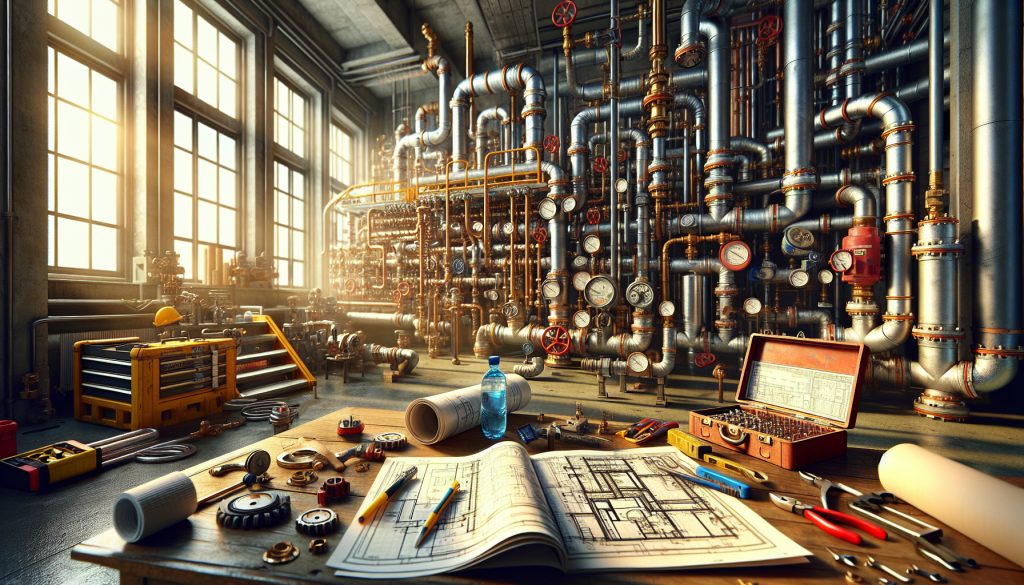
Industrial plumbing is an intricate and vital component of modern industry. The complexities of these systems require specialized knowledge, equipment, and materials that surpass those found in residential settings. Understanding the nuances of this field is essential for businesses that depend on reliable and efficient plumbing operations.
What are the key components of industrial plumbing?
Industrial plumbing systems are composed of numerous essential elements that work together to ensure a smooth and efficient operation. These components include:
- Piping: Made from various materials such as steel, copper, and PVC to accommodate different needs and temperatures.
- Valves: Control the flow of water and other substances through the pipes.
- Fittings: Connect different sections of piping and help to direct flow.
- Fixtures: Include sinks, showers, and other end-point devices.
- Pumps: Ensure that fluids are moved effectively throughout the system.
How does industrial plumbing differ from residential plumbing?
Industrial plumbing systems are designed to handle more extensive use, higher pressures, and harsher conditions than residential systems. They require:
- Thicker and more durable piping to withstand industrial conditions.
- More complex valve and control systems to manage larger volumes of water and waste.
- Specialized fixtures that are designed for heavy-duty use and are often automated.
What services do industrial plumbing companies offer?
Industrial plumbing companies provide a broad range of services tailored to meet the needs of industries. These services can include:
- Installation of new plumbing systems.
- Maintenance and repairs to prevent and address issues.
- Inspections and compliance checks to ensure safety standards are met.
- Upgrades and retrofits to modernize existing systems.
What is the importance of safety in industrial plumbing?
Safety is paramount in industrial plumbing due to the scale and potential hazards involved. This includes:
- Ensuring all systems are up to code and regulatory standards.
- Regular training for staff on safety protocols.
- Using proper personal protective equipment (PPE) during maintenance and repairs.
How can you choose the right industrial plumbing supplier?
Selecting an industrial plumbing supplier involves considering several factors, such as:
- Quality and range of products offered.
- Technical expertise and support available.
- Reputation for reliability and customer service.
What are the common challenges in industrial plumbing projects?
Industrial plumbing projects can present challenges such as:
- Complex system requirements and specifications.
- Adherence to strict timelines and budgets.
- Navigating regulatory compliance and environmental concerns.
What are the latest innovations in industrial plumbing?
The industrial plumbing sector is constantly evolving, with advancements including:
- Smart sensor technologies for monitoring system performance.
- Eco-friendly and water-saving fixtures and systems.
- Automated controls for more efficient system management.
Related questions on industrial plumbing
What is considered industrial plumbing?
Industrial plumbing refers to the large-scale plumbing systems used in manufacturing plants, processing facilities, and other industrial settings. These systems are designed to handle massive volumes of fluids and are built to withstand the rigors of industrial processes.
They often incorporate advanced technology for operations, monitoring, and maintenance. Industrial plumbing is a critical sector that ensures the smooth operation of industries by managing water supply, waste disposal, and other fluid-related functions.
What's the highest paid plumbing job?
The highest paid plumbing jobs are typically found within the industrial sector, where plumbers work on larger, more complex systems. Specializations such as pipeline work, steam fitting, and pipefitting in industrial settings often yield higher wages due to the higher risks and specialized skills required.
Plumbers in these roles are usually involved in the planning and installation of intricate plumbing networks that service entire factories or plants, demanding a high level of expertise.
What is the difference between a commercial plumber and an industrial plumber?
A commercial plumber focuses on plumbing services in commercial properties like offices, schools, and restaurants, which often involves standard plumbing systems similar to those in residential settings but on a larger scale. An industrial plumber, on the other hand, works on complex plumbing systems in industrial environments, which may include dealing with hazardous materials and large-scale waste management systems.
Industrial plumbers must be well-versed in specialized plumbing codes and have a deep understanding of industrial-grade equipment and machinery.
Which plumbing makes the most money?
Among the various plumbing sectors, industrial plumbing often makes the most money due to the specialized nature of the work, the complexity of the systems involved, and the need for advanced technical knowledge. These plumbers are typically involved in high-stakes projects with significant implications for the businesses they serve, which commands higher compensation.
Working on industrial projects may involve travel, extended hours, and a greater emphasis on safety, further contributing to the higher earning potential.
It's essential to recognize the role of seasoned entities such as Industrial Plumbing Supply and TDIndustries, which have significantly contributed to the enhancement of industrial plumbing operations through their expertise and service offerings. Continuous innovation and commitment to safety and efficiency remain pivotal as the industry evolves.

Leave a Reply