
Plumbing Line
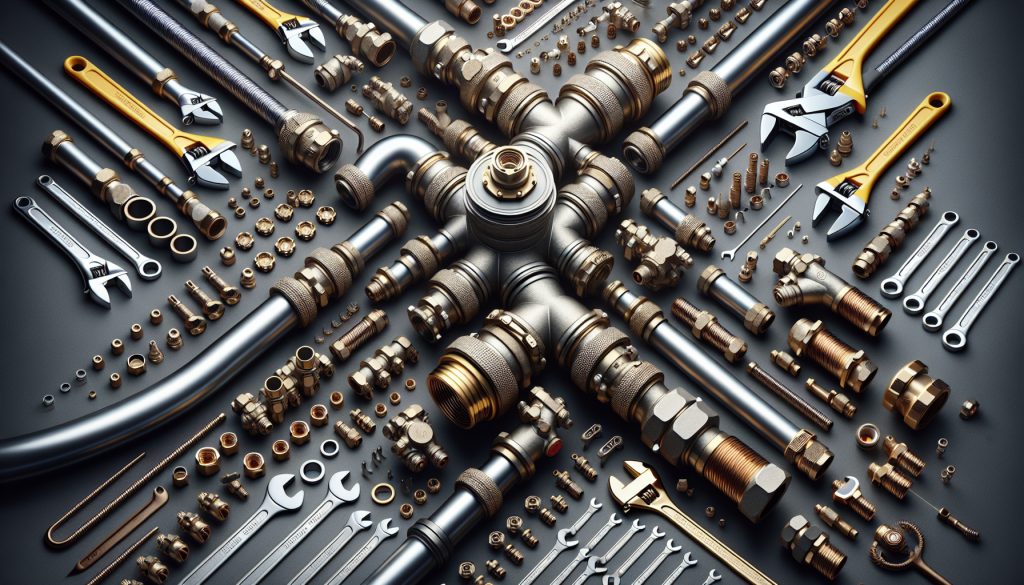
Plumbing is a critical aspect of any home, and the core of its functionality lies within the plumbing supply lines. These are not just conduits for water and gas but are essential for the seamless operation of HVAC systems and various household fixtures like faucets and toilets.
What Are Plumbing Supply Lines?
Understanding a plumbing line is the first step to managing home improvement projects effectively. Plumbing supply lines are pipes or tubes that deliver clean water to various parts of a house or dispose of wastewater. They're the lifelines of domestic comfort, connecting the household to the broader municipal or rural water systems.
These lines vary in material and size, designed to address different needs, from providing water for a shower to supplying gas to a kitchen stove. They range from flexible options for tight spaces to rigid pipes for long-term, durable installations.
It's essential to choose the right type for your specific needs, as they all have their unique advantages when it comes to installation and longevity.
Why Are Plumbing Supply Lines Important?
The importance of plumbing lines cannot be overstated. They are responsible for the safe and efficient transportation of water and gas within homes and buildings. Any malfunction could lead to inconveniences, costly damages, or dangerous health and safety hazards.
Proper installation and maintenance of these lines ensure that household fixtures operate reliably. This means a steady flow of clean water, efficient waste removal, and no unexpected disruptions in service.
Moreover, well-maintained plumbing lines contribute to the overall value and integrity of a property, making them a crucial aspect of home care.
What Are the Different Types of Plumbing Lines?
Several types of plumbing lines cater to various applications:
- PEX tubing: Flexible and ideal for indoor water distribution.
- PVC pipes: Common for main water lines and drainage systems.
- Stainless steel lines: Often used for fixtures like faucets and toilets due to their corrosion resistance.
- Copper pipes: Durable and reliable for both hot and cold water supplies.
- Gas lines: Specifically designed to be robust and leak-proof to safely carry natural gas.
Choosing the right type of plumbing line for your home is crucial, as each material comes with its set of benefits and considerations regarding durability, cost, and ease of installation.
How To Replace A Plumbing Line?
Replacing a plumbing line can be a daunting task, but it's sometimes necessary for home renovations or when dealing with leaks and outdated materials.
Best practices for plumbing line replacement include shutting off the main water supply, draining existing lines, and carefully removing the old pipes. It's essential to measure accurately and cut the new pipes to fit, ensuring a snug and leak-free connection.
For DIY enthusiasts, it's advised to have a thorough understanding of the plumbing system and to follow local building codes. However, professional assistance is often recommended for complex projects.
What Are the Best Materials for Plumbing Lines?
In choosing the best materials for plumbing lines, factors like longevity, flexibility, and suitability for water or gas come into play. Commonly used materials include:
- PEX: Known for its flexibility and ease of installation.
- PVC and CPVC: Cost-effective and widely used for water lines.
- Stainless steel: High durability and resistance to corrosion make it ideal for areas with corrosive water.
- Copper: A traditional choice valued for its reliability and recyclability.
When selecting materials, consider the specific needs of your project and consult with professionals or trusted brands like Dormont, Fluidmaster, and Viega, available at PlumbersStock.
How To Install Plumbing Supply Lines?
The installation process for plumbing supply lines varies depending on the type of material used and the application. Flexible lines, for instance, are easier to maneuver and connect, while rigid lines may require more precise measurements and cutting.
Ensure that you have all necessary tools and fittings on hand before beginning the installation. The process typically involves cutting the pipes to length, deburring the edges, securing the fittings, and ensuring a watertight seal.
For gas lines, always perform a leak test after installation to guarantee safety. If you're unsure about any step, consult with a professional plumber or reference materials from a reputable supplier like PlumbersStock.
What Are the Common Sizes of Plumbing Lines?
Plumbing lines come in various sizes, with diameters typically ranging from 1/2 inch to 4 inches for residential applications. The size needed for a particular application will depend on the fixture it serves and the flow rate required.
For instance, larger lines may be necessary for main water supplies, while smaller ones are sufficient for individual fixtures. When upgrading your plumbing system, consider the demands of your household to choose the appropriate sizes.
Understanding Plumbing Line
Plumbing lines are more than just pathways for water and gas; they are a complex network that requires careful consideration of materials, types, and sizes. Understanding the nuances of these lines is essential for efficient and safe home plumbing systems.
Whether you're installing new lines or replacing old ones, be mindful of the best practices and always prioritize quality materials and proper techniques.
Related Questions
What Is a Plumbing Line?
A plumbing line is a tube or pipe that carries water or gas to and from fixtures within residential, commercial, or industrial buildings. Essential to modern living, these lines ensure that homes and businesses have access to clean water and safe gas distribution.
They come in different materials and sizes, each suited to specific applications and demands of the plumbing system they serve.
Is PEX or PVC Better?
Both PEX and PVC have their advantages. PEX is more flexible, making it easier to install, especially in tight spaces. It's also resistant to scale and chlorine, which can increase its lifespan.
PVC, on the other hand, is cost-effective and great for long straight runs. However, it's not as tolerant to high temperatures as PEX. The choice between PEX and PVC often comes down to the specific needs of the plumbing project.
How Much to Repipe a 2000 Square Foot House?
The cost of repiping a 2000 square foot house can vary greatly depending on factors like the region, material chosen, and the complexity of the installation. It can range from a few thousand dollars to much more.
It's recommended to get several quotes from licensed plumbers and consider the long-term benefits of choosing high-quality materials and professional installation.
Why Was Polybutylene Pipe Banned?
Polybutylene pipe was a popular choice in the 1970s through the mid-1990s due to its low cost and easy installation. However, it was banned because it was prone to breakage and leaks when exposed to chlorine in the water supply, leading to extensive water damage in homes.
Many homeowners had to replace polybutylene piping systems, which led to class-action lawsuits and the eventual discontinuation of the product.
In conclusion, plumbing supply lines are an intricate and vital component of any building's infrastructure. Understanding the different types, materials, and sizes, as well as the installation and maintenance practices, is essential for homeowners and professionals alike. Always consider the long-term implications of your choices and opt for high-quality products from reputable suppliers like PlumbersStock to ensure a safe and efficient plumbing system.
 Water Pipe Plumbing
Leave a Reply