
PVC Plumbing Pipe
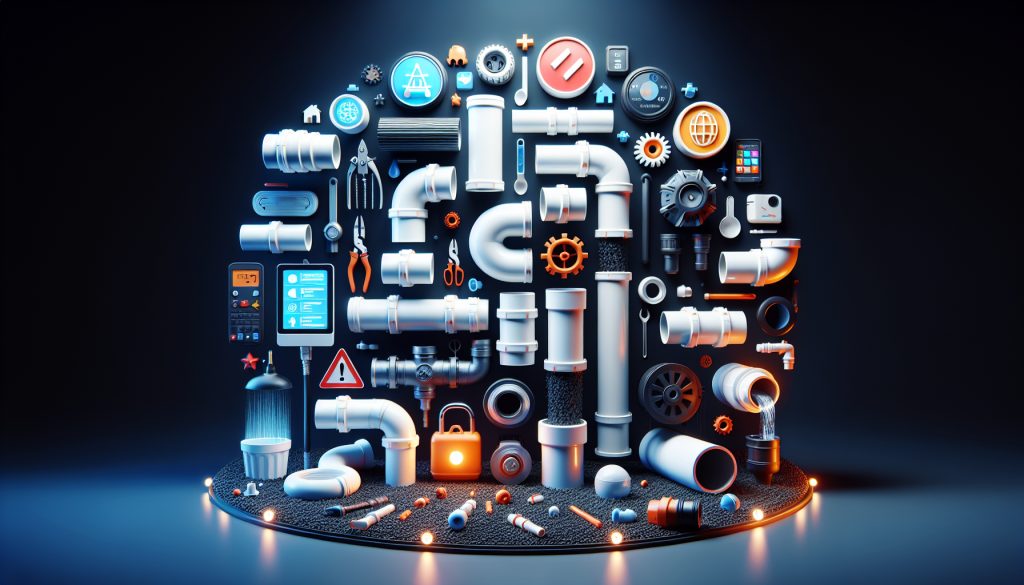
When it comes to the maze of pipes hidden behind the walls of our homes, one material stands out for its popularity and versatility: PVC plumbing pipe. Known for its durability and cost-effectiveness, this type of pipe has become a staple in both residential and commercial plumbing. But like any material, it has its upsides and downsides that merit careful consideration.
In this comprehensive guide, we'll delve into the myriad aspects of PVC plumbing pipes, exploring their advantages, disadvantages, history, and much more. Whether you're a homeowner, a DIY enthusiast, or a professional plumber, understanding these factors is crucial for making informed decisions about your plumbing systems.
What Are the Advantages of PVC Plumbing Pipe?
One of the most compelling reasons to use PVC plumbing pipes is their resistance to corrosion. Unlike some metals, PVC doesn't rust, which means it maintains its integrity over time and doesn't contaminate water with rust particles. Additionally, its lightweight nature makes it easy to handle and install, cutting down on labor costs and time. The material also boasts a smooth internal surface, which minimizes friction and ensures efficient water flow.
PVC's versatility is another significant advantage. It's suitable for a wide range of applications, from indoor plumbing to underground setups. Its cost-effectiveness is further highlighted by its long lifespan, which can extend up to 100 years underground, making it an economical choice in the long run. Moreover, PVC pipes are available in various sizes, accommodating different project requirements.
When it comes to installation, essential products include PVC cement and specialized fittings, which ensure secure and leak-proof connections. This simplicity of installation contributes to its widespread use in modern plumbing systems.
Finally, the eco-friendliness of PVC plumbing pipe is worth noting. Though it's a plastic, many PVC pipes can be recycled at the end of their life cycle, helping to reduce waste and environmental impact.
What Are the Disadvantages of PVC Plumbing Pipe?
Despite its many advantages, PVC plumbing pipe isn't without its drawbacks. One of the primary concerns is its sensitivity to high temperatures. Exposure to hot water or environments can compromise the pipe's structure, potentially leading to damage or failure. Additionally, in extremely cold climates, there's the potential for the pipes to freeze and burst if not properly insulated.
Another issue with PVC plumbing pipes is their environmental impact. While they can be recycled, the production and disposal of PVC can release harmful chemicals, making them a less green choice compared to some alternative materials.
From an aesthetic standpoint, PVC pipes are often considered less visually appealing than other materials, which can be a downside for projects where pipes are exposed and appearance matters.
Lastly, despite their durability, PVC pipes can be vulnerable to physical damage due to their plastic nature. They can crack under pressure or when struck with force, which means they must be handled with care during installation and protected from impact.
What Is the History of PVC Plumbing Pipe?
PVC, or polyvinyl chloride, has a rich history dating back to its accidental discovery in the 19th century. However, it wasn't until the 20th century that PVC began to be used extensively for plumbing. It's interesting to note that PVC was initially deemed too rigid for practical use, but advancements in plasticizers made it more flexible and suitable for a variety of applications.
During the mid-20th century, PVC pipes started to replace traditional materials like cast iron and copper for plumbing systems, stormwater management, and even medical applications. Its cost-efficiency and ease of installation contributed to its rapid adoption, reshaping the plumbing industry.
Today, the continued development of PVC compounds has led to an even wider range of applications and improved performance, ensuring that PVC remains a staple material in the world of plumbing.
How Do I Choose the Right PVC Plumbing Pipe for My Home?
Selecting the right PVC plumbing pipe for your home involves several considerations. First and foremost, consider the intended application of the pipe. For instance, different types of PVC are designed for waste, vent, and water supply lines.
Another critical factor is the size and diameter of the pipe. It's essential to choose the correct size to ensure proper water flow and meet the demands of your plumbing system. You'll also want to consider the pipe's pressure rating, especially for water supply lines, to ensure it can handle the water pressure in your home.
Looking at the different types of PVC, such as Schedule 40 or Schedule 80, helps determine the wall thickness and, consequently, the durability and pressure-bearing capacity of the pipe.
Lastly, when it comes to installation, ensure you have the necessary fittings and adhesives to create a secure and leak-proof system. Consulting with a professional plumber can also provide valuable insights tailored to your specific needs.
What Are the Common Applications of PVC Plumbing Pipe?
- Drain, waste, and vent (DWV) systems: PVC is widely used for transporting sewage and greywater from homes and buildings.
- Water supply lines: Though certain considerations must be made, PVC can be used for the mains water supply to a home or building.
- Irrigation systems: Due to its durability and ease of installation, PVC is often the material of choice for agricultural and landscaping irrigation systems.
- Stormwater management: PVC pipes are used in stormwater drainage systems, effectively channeling rainwater away from structures to prevent flooding.
How Do I Properly Maintain PVC Plumbing Pipe?
Proper maintenance of PVC plumbing pipes is essential for ensuring their longevity and performance. Here are some maintenance tips to keep in mind:
- Regularly inspect your plumbing system for signs of damage, such as leaks or cracks, and address them promptly to prevent further issues.
- Avoid exposing PVC pipes to extreme temperatures, as this can cause them to warp or become brittle.
- Be mindful of what you flush down the toilet or pour down the sink. Non-flushable items can cause blockages and damage your PVC pipes.
- Clean your pipes periodically using appropriate methods to prevent buildup and clogs.
What Sizes Are Available for PVC Plumbing Pipe?
PVC plumbing pipes come in a range of sizes to suit various applications. The most common diameters range from 1/2 inch to 4 inches for residential plumbing systems. However, larger sizes are also available for commercial or industrial use. It's important to refer to the manufacturer's specifications when selecting the appropriate size for your project.
What Are the Best Fittings for PVC Plumbing Pipe?
The best fittings for PVC plumbing pipe are those that match the pipe's size and application. Common fittings include elbows, tees, couplings, and adapters. It's also crucial to use the right type of PVC cement and primer to ensure strong, leak-proof joints. High-quality fittings and proper installation techniques play a significant role in the overall performance and reliability of your PVC plumbing system.
Related Questions on PVC Plumbing Pipe
What PVC pipe is used for plumbing?
PVC pipes specifically designed for plumbing are often categorized as Schedule 40 or Schedule 80, with the former being more common in residential plumbing. These pipes are used for various applications, including DWV systems and water supply lines.
It's essential to select the type of PVC pipe that is appropriate for the intended use, as different types have different resistance levels to pressure and temperatures.
Is it better to use PVC or PEX?
Whether to use PVC or PEX depends on the specific needs of the project. PVC is known for its sturdiness and ease of installation, while PEX is more flexible and resistant to temperature extremes. Each has its own set of advantages, and the best choice will vary based on the application, budget, and personal preference.
Is PVC pipe okay for plumbing?
Yes, PVC pipe is widely regarded as suitable for plumbing. It's commonly used for drainage systems and vent lines due to its durability and resistance to various chemicals found in wastewater. However, it's essential to ensure that the type of PVC pipe you choose is rated for the specific plumbing application you have in mind.
Is schedule 40 PVC ok for hot water?
Schedule 40 PVC can be used for hot water applications, but it's essential to verify the temperature ratings. Typically, PVC can handle temperatures up to 140°F. For higher temperatures, CPVC or other materials may be more suitable to prevent damage and ensure the longevity of the plumbing system.

Leave a Reply