
Replace Bathroom Sink Drain
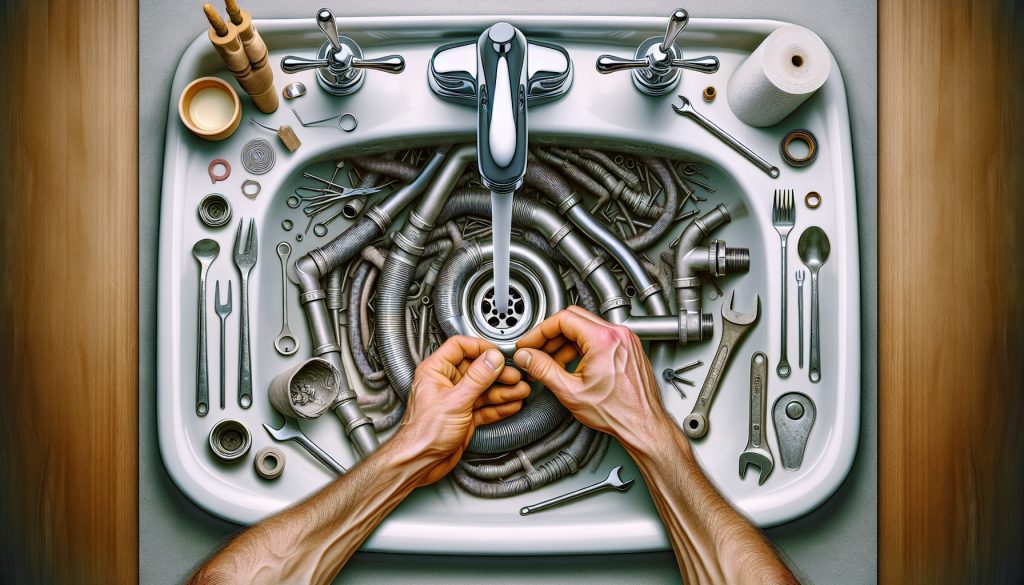
Upgrading your bathroom fixtures can refresh the look of the space, and one common task is replacing the bathroom sink drain. Whether it's due to wear and tear, aesthetic preferences, or a persistent leak, learning how to replace a bathroom sink drain is a valuable skill for any DIY enthusiast.
From gathering the right supplies to testing for leaks, this article will guide you through each step of the process. Our goal is to make sure you can tackle this project with confidence and achieve a professional-looking result.
How to replace a bathroom sink drain
Replacing a bathroom sink drain may seem daunting, but with the right tools and a little patience, you can handle it without calling a plumber. Begin by clearing out the space under the sink and ensuring you have all necessary supplies on hand.
Next, remove the old drain by loosening the connections. You may need to use adjustable pliers or a wrench to free the nuts. Once removed, clean the area to ensure a good seal when installing the new drain.
When placing the new drain, apply a bead of plumber's putty or silicone around the drain opening before inserting the drain piece. This helps create a watertight seal. Secure the new drain in place by fastening the nuts tightly, but be careful not to over-tighten and crack the sink.
Finally, test for leaks by filling the sink with water, checking the connections below for drips. Address any leaks by tightening connections or reapplying sealant as needed.
How to install a bathroom sink drain
Installing a bathroom sink drain is similar to replacing one but may include additional steps if you're starting from scratch or upgrading to a different type of drain.
Begin by inserting the drain body into the sink's drain hole, again using plumber's putty or silicone for a seal. Attach the gasket and washer from below and tighten the locknut securely.
Connect the tailpiece to the drain body, ensuring it's the correct length. If necessary, cut the tailpiece to size using a hacksaw.
Once all parts are aligned and fitted, it's time to connect the P trap. Ensure the trap's arm reaches the wall drainpipe and make any necessary adjustments. Tighten all connections, taking care not to strip the threads.
- Insert drain body into the sink hole
- Seal with plumber's putty or silicone
- Attach gasket, washer, and locknut
- Connect and adjust the tailpiece
- Fit and secure the P trap
Run water through the drain to test for leaks and make adjustments as needed.
What supplies do I need to replace a bathroom sink drain?
Before starting the project, ensure you have all the necessary supplies. These may include:
- A new drain assembly
- Adjustable pliers or wrenches
- Plumber's putty or silicone sealant
- Hacksaw for cutting pipes (if needed)
- Towels and a bucket for catching drips
Gather these items beforehand to prevent any mid-project runs to the hardware store.
How do I install a pop-up drain?
Pop-up drains are a common feature in modern bathrooms. To install one, begin by inserting the drain body through the sink's drain hole. Connect the pop-up lever mechanism to the drain using the provided linkage. Adjust the mechanism so the stopper opens and closes correctly.
Once everything is connected, test the pop-up function several times to ensure smooth operation before moving on to the P trap installation.
What is the process to install a P trap adapter?
The P trap adapter connects the P trap to the tailpiece or wall drainpipe. Start by sliding the adapter onto the tailpiece, then secure it to the P trap with the slip nut and washer. Make sure the adapter aligns properly with the wall drainpipe before tightening the connections.
If necessary, use a P trap extension or cut the pipes to the correct length for a perfect fit.
How to install a P trap for a bathroom sink
Installing a P trap involves aligning and connecting the curved pipe to the tailpiece and the wall drain. Start by positioning the P trap so that the curved section is below the drain pipe, preventing sewer gases from entering the bathroom.
Connect the P trap's ends to the tailpiece and the wall drainpipe using slip nuts and washers, tightening them by hand before giving them a final turn with pliers.
How can I test for leaks after installation?
After installation, fill the sink with water and then release it while watching the connections below for any signs of leaking. If you see any drips, tighten the connections slightly and retest. Reapply sealant if necessary and allow it to cure before retesting.
What are the steps to replace a bathroom sink drain gasket?
To replace a bathroom sink drain gasket, start by removing the old drain as outlined earlier. Clean the area thoroughly to remove any residue. Place the new gasket over the opening before installing the new drain, ensuring it sits evenly.
Tighten the new drain's locknut from below, compressing the gasket to create a seal. Avoid over-tightening to prevent damaging the gasket or sink.
Replace bathroom sink drain: a detailed guide to related questions
Can you replace just the drain on a sink?
Yes, you can replace just the drain on a sink. If the sink basin itself is in good condition, you can purchase a new drain assembly and install it following the steps outlined above.
Replacing just the drain is a cost-effective way to address leaks or update the look of your sink without a full renovation.
Should I use plumbers putty or silicone for sink drain?
Whether you use plumber's putty or silicone depends on the material of your sink and personal preference. Plumber's putty has been the traditional choice for its ease of use and reliability, but silicone sealant provides a stronger, more flexible seal and is less prone to drying out.
For natural stone sinks, silicone is recommended to prevent staining that putty might cause.
How much does a plumber charge to replace a bathroom sink drain?
The cost of hiring a plumber to replace a bathroom sink drain can vary widely depending on location, the complexity of the job, and the rates of the plumber. On average, you might expect to pay between $150 to $300 for this service.
However, DIY replacement can significantly reduce these costs, with most of the expense coming from the purchase of the new drain assembly and any special tools you may need.
Are bathroom sink drains a standard size?
Most bathroom sink drains come in a standard size, which is 1 1/4 inches in diameter for the tailpiece (the part that goes through the sink) and 1 1/2 inches for the P trap connection. However, it's always best to measure your existing drain before purchasing a replacement to ensure compatibility.
Keep in mind that some sinks and drains may have unique sizes or configurations, so double-checking is always a good practice.
Remember, proper installation and testing for leaks are key to a successful update to your bathroom sink. Taking your time to complete each step carefully will ensure a long-lasting and functional bathroom sink drain.



Leave a Reply