
Tankless Water Heater Repair
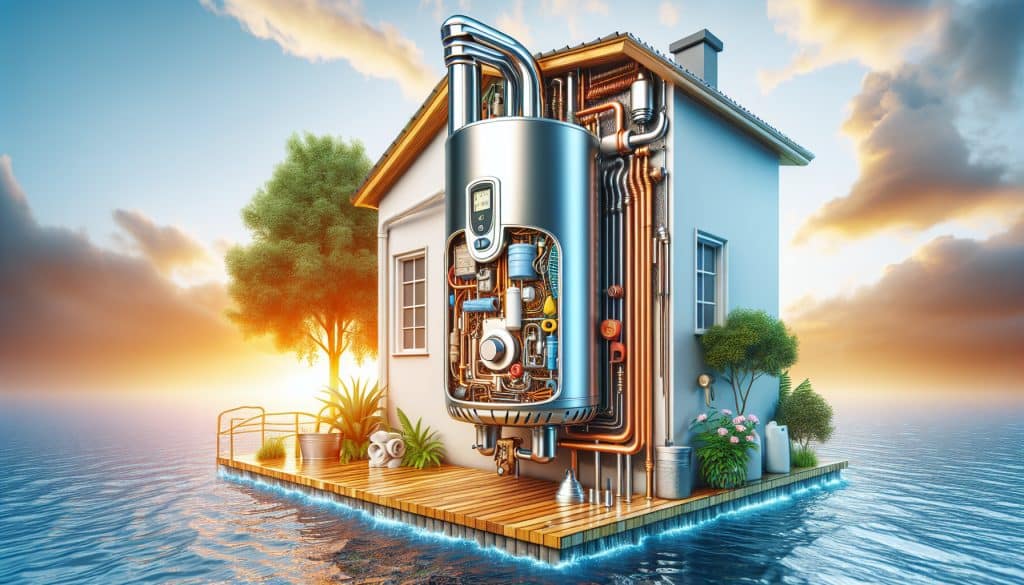
When it comes to home appliances, few are as essential and often overlooked as the water heater. Tankless water heaters, in particular, have become a preferred choice for many, offering on-demand hot water with greater energy efficiency. But what happens when your reliable source of hot water starts failing? Understanding the nuances of tankless water heater repair is crucial for homeowners looking to make informed decisions about their systems.
Tankless water heaters may boast longevity and efficiency, but like any complex machinery, they aren't immune to issues. Whether it's a drop in water temperature or an unexpected shutdown, determining whether to repair or replace your tankless water heater can save you time, money, and inconvenience in the long run.
Should I repair or replace my tankless water heater?
Deciding between repair and replacement depends on several factors. The age of the unit, cost of repairs, and whether it still meets your hot water needs are all critical considerations. Moreover, if your unit is wasting energy or has been poorly maintained, it might be time for an upgrade.
Let's delve deeper into these considerations to help you decide on the best course of action for your tankless water heater.
How old is it?
The age of your tankless water heater plays a pivotal role in the repair vs. replace debate. Although tankless units can last around 20 years, performance might decline as they age. If your unit is nearing the end of its expected lifespan, investing in a new, more efficient model could be more cost-effective.
However, if your heater is relatively young and experiencing issues, repairs could extend its life significantly. It's important to weigh the current age against the potential remaining years of service.
What is the cost of repair?
When facing a malfunction, the repair cost is a major factor. If the expense of fixing your tankless water heater is more than 50% of the cost of a new one, replacement might be the better choice. Keep in mind that newer models could also offer better energy savings, which can offset the initial investment over time.
Always get a professional estimate before making a decision. Sometimes, what seems like a major issue might be a simple fix for an experienced technician.
Is it meeting your needs?
As households grow or shrink, hot water needs can change. Your tankless water heater might have been perfect ten years ago, but if it's no longer keeping up with demand, consider an upgrade. Conversely, if you find that it's oversized for your current needs, a repair to the existing unit may be sufficient and more economical.
Assess your hot water usage and compare it with the capacity of your unit to make an informed decision.
Is it wasting energy?
- Check for leaks or signs of damage that could be impacting efficiency.
- Consider whether energy bills have increased without a clear explanation.
- Older models might not meet current energy standards, leading to unnecessary waste.
An inefficient tankless water heater can drive up energy costs and leave a larger carbon footprint. If repairs or upgrades to your current unit could lead to significant energy savings, they may be worth the investment.
Has it been well maintained?
Regular maintenance is key to the longevity and efficiency of tankless water heaters. Neglected units are more likely to break down and have a shorter lifespan. If you've kept up with maintenance, repairing your heater could be a sensible choice.
On the other hand, if your unit has been neglected, it might be more prone to repeated failures even after repairs. In such cases, replacement could be the more reliable and cost-effective route in the long-term.
Next steps
Once you've considered all the factors, it's time to take the next steps. Consulting with a professional plumber can provide clarity. They can assess your current unit, estimate repair costs, and advise on the benefits of a new model.
Remember to choose a licensed and experienced technician for an accurate diagnosis and high-quality workmanship, whether you opt for repair or replacement.
Ready to make a move?
If you've concluded that it's time to repair or replace your tankless water heater, the next move is to take action. Start by researching the best tankless water heater repair services in your area or consider the features of new models if you're leaning towards replacement.
Whichever route you choose, ensure you're getting the most energy-efficient and cost-effective solution to meet your hot water needs.
Related questions on tankless water heater repair
Can a tankless water heater be repaired?
Yes, many issues with tankless water heaters can be fixed. Common problems include mineral buildup, ignition failure, and flame failure, all of which are repairable by a qualified technician.
It's essential, however, to correctly diagnose the issue to determine whether repair is indeed a viable option. Some complex problems might warrant a replacement.
How much does it cost to repair a tankless water heater?
The cost of repairing a tankless water heater can vary widely based on the nature of the issue. Simple fixes like cleaning the filters or sensors may be relatively inexpensive, while replacing major components like the heat exchanger could cost considerably more.
Always get a detailed quote from a reputable service provider before proceeding with repairs.
What is the life expectancy of a tankless water heater?
On average, a tankless water heater can last up to 20 years, which is longer than traditional tank models. Proper maintenance is a key factor in achieving this lifespan. Frequent servicing and prompt repairs when issues arise can help ensure your unit reaches or even exceeds this expectancy.
How do you fix a tankless water heater problem?
Fixing a tankless water heater generally involves troubleshooting steps such as checking the power supply, gas supply, and water flow. It may also involve descaling to remove mineral buildup, cleaning or replacing filters, and inspecting the unit for any error codes that can guide repairs.
For most homeowners, seeking professional plumbing services is the safest and most efficient way to address tankless water heater problems. An expert can provide a thorough assessment and precise repairs.
Despite their superior energy efficiency and long lifespans, tankless water heaters do require regular maintenance and occasional repair work. By considering factors like age, repair costs, and whether the unit meets your household demands, you can make an informed decision on whether to repair or replace your unit. Consultation with professional plumbing services is advised to ensure your home's hot water needs are met efficiently and economically.
Leave a Reply