
Toilet Replacement
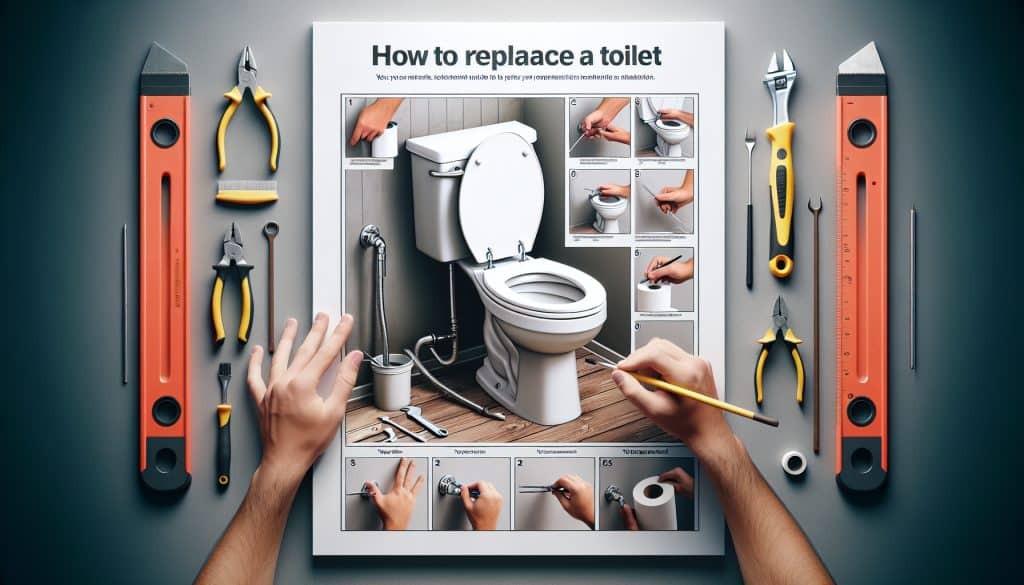
Understanding the need for efficient water usage is becoming increasingly crucial in today's world. A significant step towards this goal is through toilet replacement, a simple yet effective way to conserve water and promote environmental sustainability. The Toilet Replacement Program is not just about a new fixture; it’s an investment in water conservation and future savings.
In this article, we’ll explore the various aspects of replacing your toilet, from understanding the costs involved to finding the right parts and services. We’ll also discuss the environmental benefits of upgrading to a WaterSense-labeled toilet and provide tips for those considering a DIY approach. Let’s dive in!
Why Replace Your Old Toilet?
Older toilets are notorious for their high water usage, which can have a significant impact on both the environment and your utility bills. Replacing an outdated toilet with a modern, efficient model can save thousands of gallons of water each year. Furthermore, under programs like the Toilet Replacement Program, homeowners can receive rebates for upgrading their toilets to eco-friendly, WaterSense-labeled models that use significantly less water per flush.
Water conservation is not just beneficial for the environment; it also reflects on our community awareness and responsibility. With clean water being a limited resource, every drop saved contributes to the sustainability of our water supply. Additionally, newer toilets come with improved performance and aesthetics, adding value to your home.
The benefits of toilet replacement extend beyond individual water savings. By participating in water-efficient practices, homeowners contribute to a larger movement of environmental stewardship, ensuring that future generations have access to clean water.
How Much Does Toilet Replacement Cost?
The cost of toilet replacement can vary based on several factors including the model of the toilet, installation fees, and whether additional repairs are needed. On average, homeowners can expect to pay anywhere from $150 to over $500 for a new toilet. This price range includes the cost of the toilet itself, which can vary from basic models to high-end units with advanced features.
Installation costs can also fluctuate depending on whether you opt for professional installation or tackle the project yourself. Many homeowners choose to install their new toilets to save on costs, but it is important to consider your own comfort level and expertise with home improvement projects before deciding to DIY.
It is worth noting that the initial cost can be offset by water utility savings and potential rebates from water conservation programs. Therefore, it is advisable to research local rebates and incentives that may be available to you.
What Are the Essential Toilet Replacement Parts?
When embarking on a toilet replacement project, it's crucial to know the parts you'll need for a successful installation. The essential parts include the toilet bowl and tank, the toilet flange, wax ring or seal, supply line, and mounting bolts. You may also need a new toilet seat if it’s not included with the toilet itself.
For those opting for a more eco-friendly option, consider a dual-flush mechanism which allows for a reduced flush for liquid waste, saving even more water. Additionally, don't forget about the toilet flapper and fill valve—two components that play a key role in the flushing system’s water efficiency.
It’s wise to replace all old fittings and supply lines when installing a new toilet to prevent leaks and ensure optimal performance. This might slightly increase your upfront cost, but it can help avoid future problems and potential water damage.
Where Can I Find Toilet Replacement Services Near Me?
Finding reliable toilet replacement services in your area can be as simple as a local search online or through asking for recommendations from friends and family. Many homeowners turn to trusted home improvement stores like Home Depot or Lowe's for both the purchase of new toilets and installation services.
It is also advisable to check for local plumbers or handyman services that may offer competitive rates and personalized service. When choosing a service provider, look for licensed professionals with positive reviews and ensure they provide a warranty or guarantee for their work.
For those interested in the Toilet Replacement Program, check if your community offers a list of preferred vendors or contractors who are familiar with the program’s requirements. This can streamline the process and ensure compliance with any rebate conditions.
What Is Included In A Toilet Replacement Kit?
A toilet replacement kit typically contains the basic parts needed for the installation of a new toilet. This often includes a wax ring, mounting bolts, and sometimes a new supply line. However, it's important to carefully read the product description as contents can vary.
Some kits may also come with a toilet seat and installation tools, but these are not always standard. Always verify what is included before purchasing to avoid any surprises during installation.
For eco-conscious consumers, some replacement kits also highlight water-saving features. These kits may include dual-flush mechanisms or special flappers that reduce the amount of water used per flush, aligning with the goals of water conservation initiatives.
What Are the Best Options At Home Depot For Toilet Replacement?
Home Depot offers a wide range of toilets that cater to different budgets, preferences, and eco-friendly requirements. The best options include:
- WaterSense-labeled toilets, which provide significant water savings without sacrificing performance.
- One-piece toilets, known for their easy cleaning and sleek design.
- Two-piece toilets, which are typically more cost-effective and easier to handle during installation.
Additionally, Home Depot provides a variety of toilet styles, such as comfort height toilets, which are ADA-compliant and easier for most adults to use. They also offer a selection of toilets with advanced features like bidet functions, heated seats, and touchless flushing.
Before making your purchase, consider the toilet's flush rating, design, and any additional features that meet your needs and preferences. It's also a good idea to check Home Depot’s installation services if you prefer professional installation.
How To Replace A Toilet Flange?
The toilet flange is a crucial part of your toilet installation, as it secures the toilet to the floor and connects it to the drainpipe. If you're experiencing leaks or instability, it might be time to replace the flange. Here’s a brief overview of the process:
- First, turn off the water supply and flush the toilet to empty the tank and bowl.
- Next, disconnect the water supply line and remove the toilet to access the flange.
- Clean the surrounding area and remove the old flange, scraping off any residue or wax.
- Install the new flange, ensuring it's properly aligned with the drainpipe and secured to the floor.
- Finally, replace the wax ring, set the toilet back in place, and bolt it down securely.
While replacing a toilet flange is doable for a determined DIYer, it can be a bit more complicated than a standard toilet replacement. If you're not comfortable with this level of repair, it may be best to call a professional plumber.
Can I Do Toilet Replacement Myself?
Many homeowners opt for DIY toilet replacement to save on installation costs. It's a manageable project if you have basic plumbing knowledge and the right tools. However, it's important to be aware of the potential challenges, such as heavy lifting and the need for precise installation to prevent leaks.
If you choose the DIY route, make sure to thoroughly research and follow step-by-step instructions. Also, consider enlisting a helper, as maneuvering a toilet can be awkward and requires some strength.
For those less confident in their plumbing skills, hiring a professional can ensure the job is done right the first time, avoiding costly mistakes and future issues. The peace of mind may well be worth the additional cost.
Related Questions on Toilet Replacement
What is the typical cost to replace a toilet?
The typical cost to replace a toilet ranges from $150 to $500 or more, depending on the toilet model and whether you do it yourself or hire a professional. This estimate includes the price of the new toilet and the necessary parts for installation. Remember to account for potential rebates from water conservation programs, which can offset some of the cost.
It's also wise to consider the long-term savings on your water bill, which can make a higher initial investment worthwhile. Additionally, opting for a higher-end model may come with features that provide extra comfort and convenience.
Is it hard to replace a toilet myself?
Replacing a toilet can be a challenging task, especially if you have limited plumbing experience. However, with the right tools, clear instructions, and a bit of patience, it's a project that many homeowners can accomplish. The key is to take your time, follow safety precautions, and not hesitate to ask for help if needed.
Be prepared for heavy lifting and ensure you have a good seal when setting the toilet to prevent leaks. If you encounter unexpected issues, such as a damaged flange or subfloor, it may be best to consult a professional.
What does Home Depot charge for a toilet installation?
Home Depot offers installation services for toilets purchased from their stores. The cost for installation can vary based on the complexity of the job and your location. To get an accurate quote, it's best to contact your local Home Depot directly or check their website for current installation offers.
Home Depot's installation services often include removing the old toilet, replacing it with the new one, and ensuring everything is working correctly. They may also handle the disposal of the old toilet, which is convenient and eco-friendly.
Do I need a plumber to replace my toilet?
While hiring a plumber is not strictly necessary for toilet replacement, it's often recommended if you're not confident in your DIY abilities. Plumbers bring expertise and experience to the job, reducing the risk of installation errors and potential water damage.
If you're comfortable with home improvement projects and have the necessary tools, you may choose to replace your toilet yourself. However, for peace of mind and assurance of quality work, enlisting a plumber can be a smart decision.
Concluding, toilet replacement is not merely a home improvement task; it's a step towards water conservation and environmental responsibility. Whether you decide to DIY or hire a professional, the benefits of upgrading to an efficient toilet are clear. You'll be contributing to a culture of sustainability while potentially enjoying savings on your water bill and taking part in rebate programs. By considering your options, costs, and the available services, you can make an informed decision that aligns with your values and needs.



Leave a Reply