
PVC Plumbing
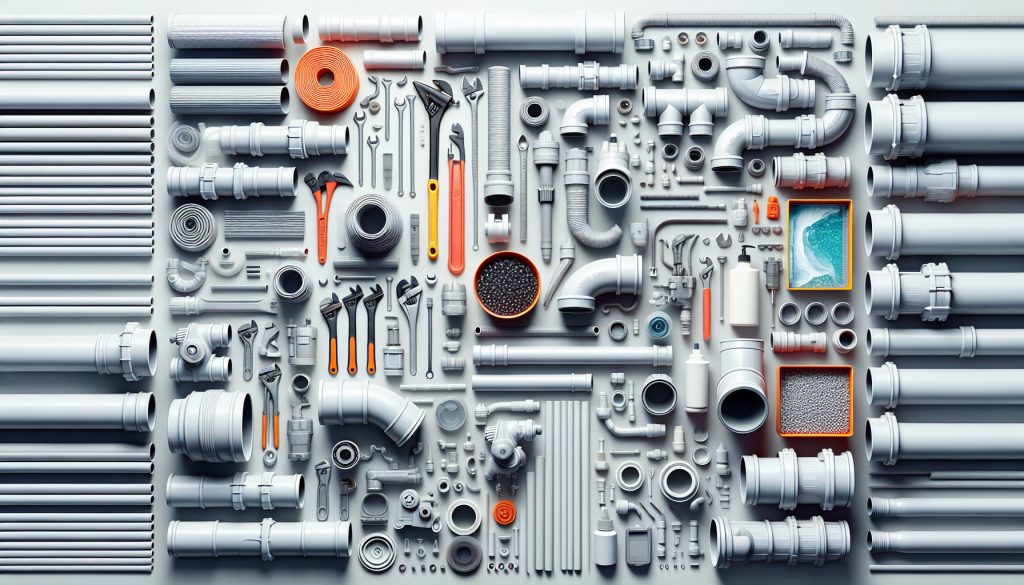
PVC plumbing systems have become the cornerstone of modern water supply and waste management in residential and commercial buildings. Known for its versatility and cost-effectiveness, PVC has revolutionized the plumbing industry.
What is PVC in plumbing?
PVC stands for Polyvinyl Chloride, a widely used plastic in the construction and plumbing industry. It is lightweight, easy to work with, and resistant to corrosion and chemicals. PVC pipes are commonly used for transporting drinking water, sewage, and for venting systems.
Not all PVC is suitable for every application; there are different types like uPVC (unplasticized PVC) that are more rigid, making them perfect for high-pressure applications. CPVC (Chlorinated Polyvinyl Chloride) can withstand higher temperatures and is often used for hot water lines.
PVC plumbing is a popular choice due to its longevity, with a life expectancy of 50 to 70 years in ideal conditions. It is also non-toxic when used for conveying potable water, as it does not alter the water's taste, smell, or color.
What are the advantages of PVC plumbing?
There are several advantages of PVC plumbing systems. Firstly, PVC pipe is much lighter than metal counterparts, making transportation and installation a lot easier. Its resistance to corrosion ensures that it lasts longer and requires less maintenance than metal pipes.
Another advantage is its cost-effectiveness. PVC plumbing materials are generally cheaper than metals and other alternatives, leading to reduced upfront costs for plumbing projects. The ease of installation also translates into lower labor costs.
Moreover, PVC has excellent resistance to a wide range of chemicals, making it suitable for use in various environments. Its smooth interior surface reduces the risk of blockages and allows for a more efficient flow of water.
How to install PVC plumbing?
Installing PVC plumbing is a relatively straightforward process that can often be handled by DIY enthusiasts as well as professionals. The process usually involves measuring and cutting the pipes, applying primer and solvent cement, and then joining the pieces together.
- Always ensure you have the right tools on hand, including a PVC cutter, a fine-toothed saw, or a pair of plastic pipe shears.
- Use a primer on both the pipe and the fitting before applying the cement, as this helps to soften the PVC and ensure a better bond.
- After applying the cement, insert the pipe into the fitting and hold it in place for a few seconds to ensure a secure connection.
In addition, it’s important to allow sufficient time for the cement to cure before testing the system. This curing time can vary depending on temperature and humidity, but it’s typically recommended to wait at least 24 hours before conducting a pressure test.
What are the common PVC plumbing supplies?
Common supplies include PVC pipes, fittings, primer, solvent cement, and PVC valves. Pipes and fittings come in various sizes and shapes to accommodate different types of installations and functions.
Fittings such as elbows, tees, couplings, and unions are used to connect different sections of piping or change the direction of the flow. Additionally, specific items like cleanout adapters and floor drains are also considered part of the PVC plumbing supply list.
The use of straps and hangers is essential to secure PVC piping to walls or ceilings, ensuring the system remains stable and reduces the risk of damage.
What are the different PVC pipe sizes?
PVC pipes come in a range of sizes to suit various applications, from small diameter pipes for household plumbing to large diameter ones for municipal services. The sizes are usually expressed in terms of nominal pipe size (NPS) and correspond to the approximate inside diameter of the pipe.
For residential plumbing, common sizes might include 1/2", 3/4", and 1" pipes, while larger projects may use up to 24" diameter pipes or more. It’s important to select the right size to ensure adequate water flow and to meet building code requirements.
Pipe sizes also correspond with the thickness of the pipe walls, known as the schedule number. Standard schedules include Schedule 40 and Schedule 80, with the latter having thicker walls and thus a higher pressure rating.
How do PVC fittings work?
PVC fittings are essential components that connect pipes together or to other plumbing fixtures. They work by providing a tight seal that prevents leaks while allowing for a continuous flow of water or waste.
Fittings come in various types, including:
- Elbows for changing the direction of the pipe
- Tees for connecting three sections of pipe
- Couplings for connecting two pipes of the same diameter
- Reducers for connecting pipes of different diameters
Proper installation of fittings is crucial for a leak-free system. Always ensure that the fitting and the pipe end are clean and free of debris before applying primer and cement.
What is the average price of PVC plumbing?
The average price of PVC plumbing components can vary widely depending on the type of component, its size, and the region. Pipes and fittings can range from a few cents to several dollars per foot or per piece.
Bulk purchases and professional discounts can lead to significant savings, especially on large projects. To get the best prices, it's advisable to compare quotes from multiple suppliers or to purchase from wholesale distributors.
Related Questions on PVC Plumbing
Is PVC ok for house plumbing?
Yes, PVC is a suitable material for house plumbing, especially for waste lines and vent stacks. It is approved by building codes for these applications in many regions due to its strength, durability, and resistance to corrosion.
For potable water, CPVC is usually the preferred choice as it can handle higher temperatures that are typical of hot water systems.
Is it better to use PVC or PEX?
Whether it is better to use PVC or PEX depends on the specific needs of the project. PVC is rigid, cost-effective, and good for high-pressure applications, while PEX is flexible, easier to install in tight spaces, and doesn't require as many fittings due to its flexibility.
PEX is also preferable for hot and cold potable water supply lines, as it can expand and contract with temperature changes without cracking.
Is PVC plumbing better than copper?
PVC plumbing has some advantages over copper, such as its lower cost, ease of installation, and resistance to corrosion. However, copper pipes have a longer track record for durability and are a better choice for hot water supply lines due to their tolerance to high temperatures.
Some homeowners also prefer copper for its aesthetic appeal and because it can add to the resale value of a home.
Utilizing the information presented in this guide, readers can make informed decisions about their PVC plumbing needs. While this article covers the essentials, it's always recommended to consult with a professional plumber before embarking on any plumbing project.



Leave a Reply