
Bathtub Plumbing
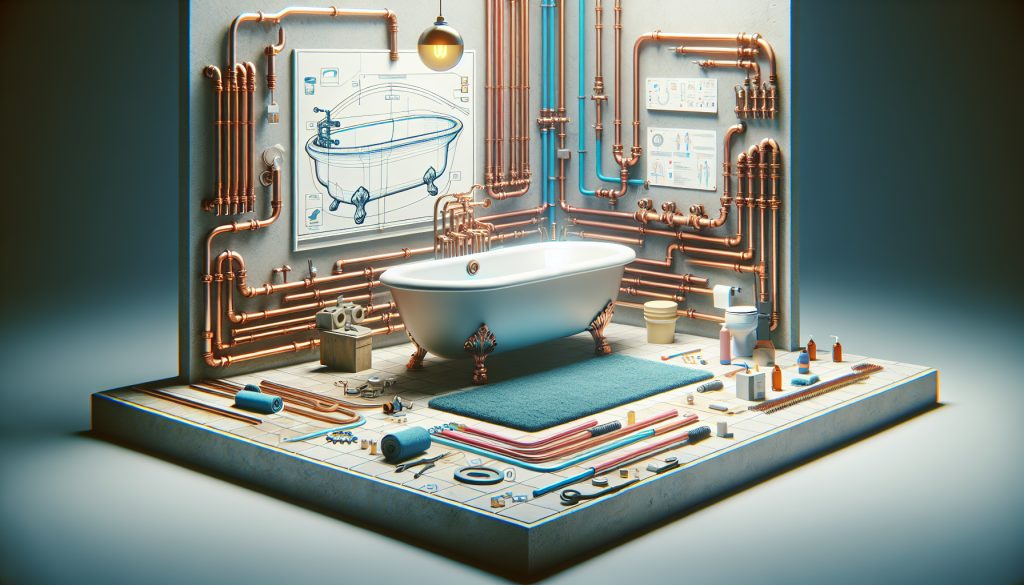
Bathtubs are more than just vessels for holding water; they're central to the relaxation and comfort of our homes. The plumbing behind the scenes plays a pivotal role in ensuring that everything runs smoothly, making bathtub plumbing a critical area for homeowners to understand.
Whether you're looking to install a new tub or troubleshoot issues with your existing setup, this guide will walk you through the essentials of bathtub plumbing. From the anatomy of the system to common problems and maintenance tips, we've got you covered.
Anatomy of bathtub plumbing
Understanding your bathtub's plumbing is the first step towards effective maintenance and troubleshooting. The system comprises several key components including water supply lines, the faucet, the overflow pipe, the drain, and often a diversion for a shower.
Each component plays a unique role in ensuring the efficiency of your bathtub. The water supply lines control the flow of hot and cold water, while the faucet allows for user control over the water's output. The overflow pipe prevents water from spilling over, and the drain is where the used water exits.
It's not just about the visible parts; beneath your bathtub lie intricate connections that ensure proper water flow and drainage. A basic understanding of these parts can save you time and money on repairs.
What are the essential parts of bathtub plumbing?
- Faucet - Controls the delivery of water to the tub.
- Drain - The point where water exits the tub, connected to the drain pipe.
- Overflow pipe - A safety feature to prevent flooding.
- Shower diverter - If the bathtub includes a shower, this part directs water flow to the shower head.
- Water supply lines - Pipes that supply hot and cold water to the faucet.
These parts work together to ensure a functional and enjoyable bath experience. Neglecting one can lead to issues that affect the whole system.
How to install bathtub drain plumbing correctly?
Installing bathtub drain plumbing can be a DIY task, but it requires precision and care. Always start by consulting the plumbing code and consider the following steps:
- Ensure that you have the proper tools and materials, including a wrench, plumber's putty, and PVC pipes.
- Position the tub and secure it following the manufacturer's instructions.
- Connect the overflow pipe and drain in alignment with the outlet in the floor.
- Apply plumber's putty and sealants where necessary to prevent leaks.
- Test the installation by filling the tub and checking for leaks.
For many, professional installation is preferred to avoid costly mistakes and ensure compliance with local codes.
What common issues are found in bathtub plumbing?
Bathtub plumbing may encounter several issues over time, including:
- Clogged drains caused by hair and soap buildup.
- Leaky faucets due to worn-out washers or seals.
- Water not staying in the tub, indicating a faulty drain stopper.
- Low water pressure which could stem from clogged supply lines or showerheads.
Regular maintenance can help mitigate these issues, but sometimes professional repair is necessary.
When should you call a plumber for bathtub issues?
While many bathtub problems can be fixed with basic DIY skills, certain situations warrant the expertise of a professional plumber:
If you're experiencing persistent clogs that drain cleaners can't resolve, it could indicate a deeper issue within your plumbing.
A plumber should also be called for leaks that you cannot easily access or fix, as these can lead to significant water damage over time.
Major installations, such as setting a new tub or rerouting plumbing, should always be done by a licensed professional to ensure safety and compliance with codes.
What is the importance of regular maintenance in bathtub plumbing?
Regular maintenance of your bathtub's plumbing system is crucial for several reasons:
Firstly, it extends the lifespan of your fixtures and pipes. By avoiding the buildup of debris and promptly fixing small issues, you prevent larger, more expensive problems from arising.
Regular checks can reveal minor leaks or slow drains before they evolve into catastrophic issues like mold growth or structural damage.
Lastly, maintenance ensures that your bathtub remains a safe and hygienic space for relaxation.
How to evaluate your bathtub plumbing setup for replacement?
When considering a bathtub plumbing replacement, evaluate the following:
Age of the current setup:
Older systems may be more prone to issues and less efficient. If your plumbing is decades old, it might be time for an update.
Compatibility with modern fixtures:
If you're upgrading your tub or faucet, ensure that your existing plumbing is compatible or consider a complete overhaul.
Performance:
Constant repairs are a sign that your plumbing system is failing. A new, reliable setup could save you money in the long run.
Related questions about bathtub plumbing
What plumbing is needed for a bathtub?
For a functional bathtub, the plumbing system must include a supply line for hot and cold water, a faucet, a drain assembly, an overflow mechanism, and if applicable, shower integration with a diverter valve.
In addition to these basics, the setup should have shut-off valves for maintenance and repair without shutting down the home's entire water supply.
Does a bathtub need a P-trap?
Yes, a P-trap is a crucial component of bathtub plumbing. It prevents sewer gases from entering the home through the drain and also helps trap debris, reducing the risk of clogs.
Without a P-trap, your bathroom could be subject to unpleasant odors and potential blockages.
How much does it cost to have a plumber set a tub?
The cost of having a plumber set a tub can vary widely based on your location, the complexity of the job, and the type of tub. On average, you can expect to pay several hundred dollars, with prices rising for high-end or complex installations.
Obtaining quotes from multiple plumbers can ensure you get the best value for your installation.
What are the bathtub plumbing codes?
Bathtub plumbing codes are regulations that dictate how plumbing should be installed and maintained to ensure safety and functionality. These codes cover aspects such as the size of water supply lines, drainage requirements, and P-trap installation.
Codes vary by locale, so it's important to be familiar with the regulations in your area or consult a professional plumber who is.
Understanding the ins and outs of bathtub plumbing can seem daunting, but with the right knowledge and tools, homeowners can ensure their bath time remains a serene escape. Remember, when in doubt, it's always best to call a professional to handle your plumbing needs.
Leave a Reply