
Kitchen Plumbing
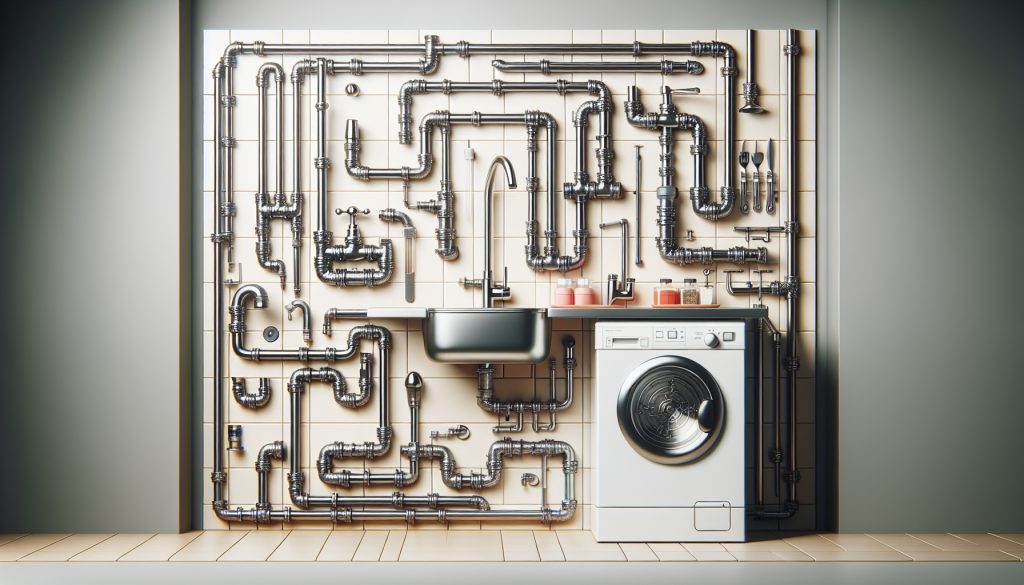
Embarking on a kitchen plumbing project can be a daunting task for any homeowner. Whether you're installing a new system from scratch or updating an existing one, understanding the nuances of kitchen plumbing is critical. In this guide, we'll delve into the world of kitchen sink plumbing, offering clear explanations and practical advice for every step of the process.
From the intricacies of a kitchen sink plumbing diagram to the evolution of modern sink systems, we'll provide you with the foundational knowledge needed to tackle your kitchen plumbing with confidence. Let's explore how to ensure efficient water delivery and waste removal in today's kitchens.
How to install kitchen plumbing
Installing kitchen plumbing can seem like a complex task, but with the right tools and guidance, it can be accomplished by homeowners with various skill levels. The process involves several steps, including measuring and cutting pipes, securing fittings, and ensuring everything is watertight.
In the initial stages, preparing your workspace and having all necessary materials on hand are key. This includes pipes, fittings, wrenches, and sealant. Next, you'll need to install water supply lines for both hot and cold water, ensuring they're connected properly to your sink's faucets.
When setting up the drain system, it's crucial to understand the role of P-traps and ensure they're installed correctly to prevent sewer gases from entering your home. Additionally, if you have a dishwasher, you'll need to connect its drain to your kitchen sink's plumbing.
The final steps include making all final connections between the sink, faucet, and dishwasher if applicable. Testing for leaks and ensuring proper water flow is crucial before considering the project complete.
Kitchen sink plumbing diagram: Your complete guide to understanding modern sink systems
A kitchen sink plumbing diagram is an invaluable tool for both planning and troubleshooting. It provides a visual representation of how water supply lines, drains, and vent pipes are configured beneath your kitchen sink.
The diagram should include the location of shut-off valves for easy maintenance, as well as the position of the sink's P-trap, which is essential for preventing blockages and sewer gas leaks.
Understanding the components and their functions within the diagram will help you better grasp the complexities of your kitchen plumbing system and enable you to address issues more effectively.
Preparing for kitchen sink plumbing installation
Before diving into the installation process, adequate preparation is paramount. This entails shutting off the water supply, clearing out the space beneath the sink, and gathering all necessary tools and components.
You'll also want to take precise measurements of your sink and cabinetry to ensure that the plumbing fixtures you've selected will fit properly.
Preparing the work area to protect against water damage or spills is also advisable, along with reviewing the manufacturer's instructions for any specific installation requirements related to your sink and fixtures.
How do I install water supply lines for my kitchen sink?
Installing water supply lines for your kitchen sink requires careful attention to detail. Start by identifying the hot and cold water lines and then shut off the water supply.
After cutting the pipes to the appropriate length, secure the fittings and test for leaks. It's essential to use the correct type of pipe – typically copper or PEX – and to ensure all connections are tightly sealed.
Finally, attach the supply lines to the faucet, double-checking for any potential issues before turning the water back on.
What is the process for setting up the drain system for my sink?
Setting up the drain system involves several key steps. After installing the sink, you'll need to connect the drain assembly to the bottom of the sink basin.
The P-trap, which catches debris and prevents clogs, is an essential component and must be connected to the tailpiece of the drain assembly and the main drain line. Ensuring that all connections are secure and properly aligned is crucial.
After installation, fill the sink with water and then drain it to check for leaks. Adjustments may be necessary to achieve a perfect seal.
How do I connect the dishwasher drain to my kitchen sink plumbing?
Connecting a dishwasher drain is a common requirement in kitchen plumbing. Locate the dishwasher inlet on your sink's drain system and ensure it's properly fitted with a clamp.
Run the dishwasher drain hose to the inlet, avoiding any sharp bends or kinks that could impede water flow. Secure the hose and test the connection by running the dishwasher through a cycle, checking for any signs of leakage.
What are the final connections and testing steps for kitchen sink plumbing?
The final steps involve making sure all fixtures are securely attached, including the faucet, handles, and sprayer if applicable. After all connections are made, turn on the water supply and inspect every joint and connection for leaks.
Test the functionality of your sink and faucet by running both hot and cold water, and make sure the drain operates smoothly. Any leaks should be addressed immediately to prevent water damage.
What are the essential components that make modern sinks work?
Modern kitchen sinks rely on several essential components such as faucets, handles, sprayers, and water supply lines. Other important parts include the drain assembly, P-trap, and shut-off valves.
Many modern sinks also feature innovations like garbage disposals and touchless faucets, enhancing convenience and hygiene.
Understanding these components and their functions can help you maintain your kitchen plumbing effectively and address issues promptly.
How has kitchen plumbing evolved over the years?
Kitchen plumbing has undergone significant advancements over the years, transitioning from basic systems to sophisticated networks that incorporate high-tech features.
Improvements in materials and design have led to more durable and leak-resistant components, while innovations like garbage disposals and low-flow faucets contribute to greater convenience and environmental sustainability.
The historical progression of kitchen plumbing reflects broader trends in efficiency, convenience, and design, highlighting the importance of staying up-to-date with the latest developments.
Kitchen plumbing guide: Everything you need to know
- Understanding the basics of kitchen plumbing is essential for proper installation and maintenance.
- Key terms and components such as P-traps, supply lines, and shut-off valves should be familiar.
- Regular maintenance can prevent common issues like leaks and clogs.
Installing kitchen plumbing for beginners
For those new to kitchen plumbing, starting with a small project like replacing a faucet or adding a new shut-off valve is recommended. Gradually building up your skills and confidence will prepare you for more complex tasks.
Always follow the manufacturer's instructions and don't hesitate to consult with a professional if you encounter any issues beyond your expertise.
Essential kitchen plumbing tips for homeowners
Regular checks for leaks, cleaning drains to prevent clogs, and knowing how to shut off the water supply in an emergency are all critical tips for homeowners.
Investing in high-quality components and tools can also pay off in the long run, as they tend to last longer and perform better.
Diy kitchen plumbing projects for every skill level
DIY kitchen plumbing projects can range from simple repairs like replacing a washer to more involved tasks such as installing a new sink.
For beginners, starting with basic repairs and gradually taking on more complex installations is a smart approach. Remember to always prioritize safety and follow guidelines closely.
Common kitchen plumbing mistakes to avoid
One of the most common mistakes is neglecting to turn off the water supply before starting a project. Other errors include using mismatched or incorrect materials, over-tightening fittings, and improper use of sealants.
Avoiding these pitfalls will help ensure a successful and leak-free installation.
Preguntas relacionadas sobre kitchen plumbing
What plumbing is needed for a kitchen?
Basic plumbing for a kitchen includes hot and cold water supply lines, a drain line, a P-trap, and shut-off valves. Additional components may include a dishwasher supply and drain line, a water filter system, or a garbage disposal.
Ensuring that all these elements are properly installed and functioning is key to a well-maintained kitchen plumbing system.
How much does it cost to replace kitchen plumbing?
The cost to replace kitchen plumbing can vary widely based on the scope of the project, materials used, and whether you hire a professional or do it yourself. Minor repairs might cost as little as a few dollars for replacement parts, while a complete overhaul could run into thousands.
Getting multiple quotes from licensed plumbers can help ensure you get a fair price for the work needed.
How much does plumbing cost for a new kitchen?
Plumbing for a new kitchen can be a significant investment, with costs influenced by factors like the complexity of the installation, the quality of materials, and regional labor rates. On average, homeowners might expect to pay anywhere from a few hundred to several thousand dollars.
It's advisable to budget carefully and consider the long-term benefits of investing in quality plumbing up front.
Is it expensive to move plumbing in a kitchen?
Moving plumbing in a kitchen can be costly and complex, especially if it involves altering the layout of water lines or drains. The expense will depend on the extent of the changes and any structural modifications required.
It's crucial to consult with a professional plumber to assess the feasibility and cost of such a project before proceeding.
Modern kitchen plumbing systems have evolved to become more efficient and user-friendly. Whether you're a DIY enthusiast or prefer to leave it to the pros, understanding the fundamentals of your kitchen's plumbing is essential. By following the guidelines outlined in this comprehensive guide, you can ensure that your kitchen plumbing installation, maintenance, or renovation is completed successfully, paving the way for a functional and reliable kitchen space.
Leave a Reply