
Tub Faucet Replacement
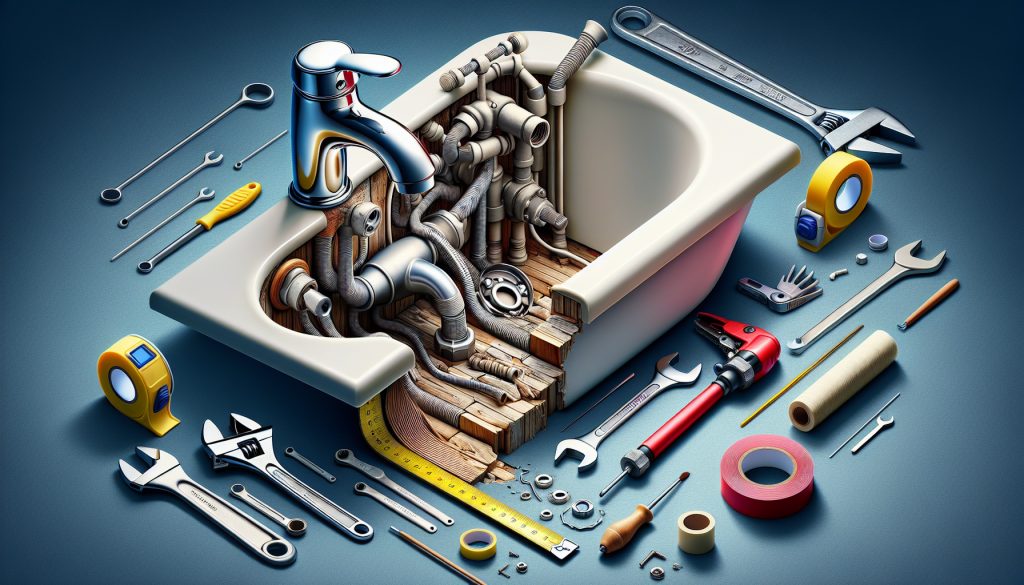
Having a fully functional and aesthetically pleasing tub faucet is key to a comfortable and enjoyable bathing experience. When the time comes for tub faucet replacement, knowing how to proceed can save you time and effort. This comprehensive guide will walk you through the entire process, from identifying when a replacement is necessary to the finishing touches of installation.
For many homeowners, the thought of replacing a tub faucet can seem daunting. However, with the right tools and guidance, the task can be straightforward. Whether you're dealing with leakage, outdated hardware, or simply looking for an upgrade, this article will provide you with the essential information needed for a successful tub faucet replacement.
What is tub faucet replacement?
Replacing a tub faucet involves removing the existing fixture and installing a new one. This process is typically required when the current faucet is damaged, causing leaks, or simply doesn't match the bathroom's decor. A new faucet can also contribute to water conservation and improve functionality.
The replacement process varies depending on the type of tub faucet, but generally includes shutting off the water supply, disassembling the old faucet, and installing the new one. It's a task that can often be done by the homeowner, but may require a professional depending on the complexity of the plumbing system.
When is it time for tub faucet replacement?
Several signs indicate the need for a new tub faucet. Persistent dripping, rust, difficulty in operation, and noticeable wear and tear are clear indicators. Additionally, if you're renovating your bathroom, replacing the tub faucet can be an essential part of the update.
Another factor to consider is the age of your current faucet. Over time, internal components can wear out, leading to inefficiency and potential water damage. Paying attention to these signs can prevent larger plumbing issues down the line.
What tools do I need for tub faucet replacement?
- Adjustable wrench
- Phillips and flathead screwdrivers
- Plumber's tape
- Utility knife
- Plumbing socket set or basin wrench
It's important to have these tools on hand before beginning the project to ensure a smooth and uninterrupted workflow. Depending on the faucet model, additional or specialized tools may be required.
How to identify the type of tub faucet for replacement?
Identifying the type of tub faucet you have is essential for purchasing the correct replacement. Faucets typically fall into categories such as compression, cartridge, ball, or disc types. Each type operates differently and may require specific steps for removal and installation.
Look for brand markings or model numbers, which are often found on the faucet's escutcheon plate or handles. If identification proves difficult, consulting the manufacturer's website or a plumbing professional can be helpful.
What are the steps to replace a tub faucet?
The steps to replace a tub faucet generally include shutting off the water supply, disassembling the old faucet, and installing the new one. Here's a simplified outline:
- Turn off the water supply to the bathroom.
- Remove the faucet handles or knobs.
- Unscrew and remove the old faucet from the tub.
- Clean the area to prepare for the new faucet.
- Install the new faucet, making sure to secure it properly and apply plumber's tape to prevent leaks.
- Reattach the handles or knobs and turn the water supply back on to test the new faucet.
Always refer to the manufacturer's instructions for the specific details related to your faucet model.
How to choose the right tub faucet for replacement?
When selecting a new tub faucet, consider factors such as compatibility with your existing plumbing, the faucet's material and finish, and the overall style of your bathroom. Additionally, look for faucets with water-saving features to reduce consumption and lower your utility bills.
It's also wise to read reviews and check warranties. A faucet with a solid warranty can provide peace of mind and assurance of quality.
What are common problems encountered during tub faucet replacement?
Common issues include difficulty in removing the old faucet due to corrosion, challenges with alignment and securing the new faucet, and ensuring a watertight seal to prevent leaks. In some cases, you may encounter unexpected plumbing complications that require professional assistance.
If you're inexperienced with plumbing, consider hiring a professional to avoid potential errors that could lead to water damage or additional costs.
Related questions on tub faucet replacement
Can you replace just the tub faucet?
Yes, it is possible to replace just the tub faucet without changing the entire fixture. However, ensure the new faucet is compatible with the existing setup.
Replacing only the faucet can be a cost-effective solution if the rest of the fixture is in good condition and functions properly.
How can I tell what kind of tub faucet I have?
To identify your tub faucet type, inspect for any brand markings or model numbers. Common types include compression, cartridge, ball, and disc faucets.
If you're unsure, consulting with a plumbing professional or the manufacturer can provide you with the necessary information.
How much does it cost to have a plumber replace a tub faucet?
The cost of having a plumber replace a tub faucet varies depending on factors such as location, complexity of the job, and the cost of the new faucet. On average, the labor can range from $150 to $300, with the faucet itself being an additional cost.
Always get a few quotes from licensed plumbers to compare prices and services offered.
How to remove a standard bathtub faucet?
Removing a standard bathtub faucet typically involves the following steps:
- Shut off the water supply to the faucet.
- Remove the faucet handles or knobs.
- Unscrew the mounting nuts that hold the faucet in place.
- Gently wiggle and pull the faucet away from the tub wall.
Clean any residue or buildup from the surface before installing a new faucet.
While this guide serves as a general overview of the tub faucet replacement process, always refer to the specific instructions provided with your new faucet. If at any point you feel unsure or encounter complex plumbing issues, seeking professional help can ensure a successful and stress-free installation.


Leave a Reply