
Water Heater Expansion Tank Installation
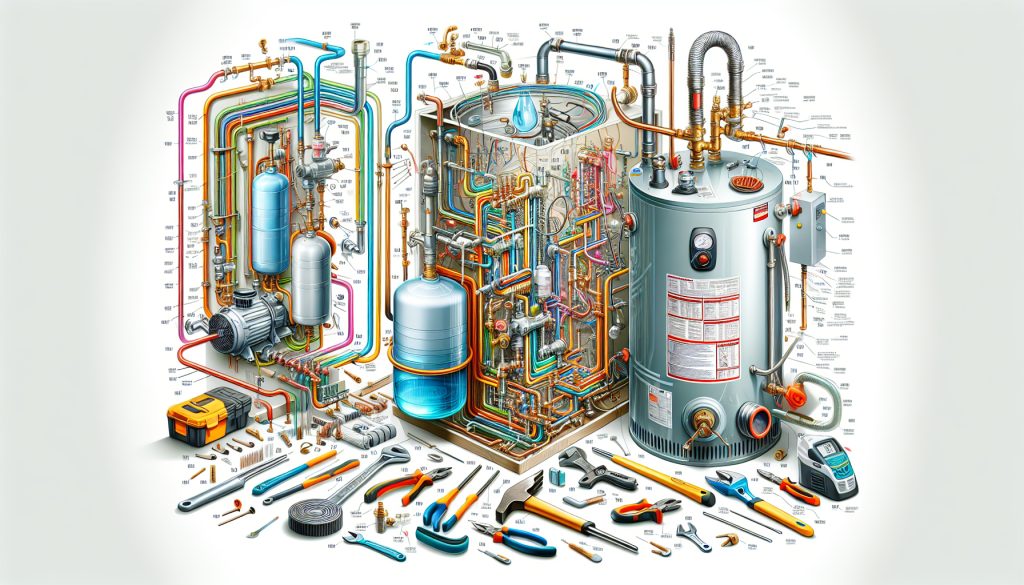
Ensuring that your home plumbing system operates efficiently and safely is essential, and one critical component often overlooked is the water heater expansion tank. Not only does it protect your system from pressure overloads, but it also extends the life of your plumbing and fixtures.
Understanding the mechanics and benefits of installing an expansion tank can save homeowners from costly repairs and provide peace of mind. This guide aims to provide comprehensive information on everything from the necessity of an expansion tank to its installation process.
What is an expansion tank?
An expansion tank is a small vessel attached to your water heater's water supply line. Its primary role is to absorb excess water volume that occurs when water is heated and expands. This process is vital to prevent increased pressure within your plumbing system that could lead to damage.
Inside the tank, a rubber diaphragm divides the tank into two chambers, one for water and the other for air. The air side has a pre-set air charge, which cushions the thermal expansion of water, hence protecting the pipes from undue stress.
The necessity of an expansion tank depends on your plumbing system. If you have a closed system with a one-way valve, such as a pressure-reducing valve, check valve, or backflow preventer, an expansion tank is essential.
Generally, local building codes will dictate when an expansion tank must be installed. However, even if not explicitly required, it's a wise investment for the longevity and safety of your home's plumbing.
How does an expansion tank work?
The mechanism behind an expansion tank is relatively simple but ingenious. When water heats up and expands, it pushes against the diaphragm inside the tank, compressing the air on the other side.
This air pressure counters the expanding water, preventing any dramatic rise in water pressure within the system. Thus, the expansion tank acts as a buffer, maintaining a stable pressure range that is safe for your pipes and fixtures.
Do you need an expansion tank?
Installing an expansion tank is not just about complying with local codes; it's about safeguarding your home. Consider an expansion tank if you notice any of the following signs:
- Unexplained pipe leaks or bursts
- The pressure relief valve on your water heater frequently discharges water
- Noises emanating from the pipes, especially when hot water is being used
If you're unsure whether you need an expansion tank, consulting a professional plumber can provide clarity and assurance.
Signs you need to install or replace an expansion tank
Even if you already have an expansion tank, it may not last forever. Watch for signs of malfunction, such as:
- A noticeable water leak from the tank itself
- The tank feels full or heavy when tapped, indicating that the diaphragm may have failed and the tank is waterlogged
- Excessive noise or vibrations coming from the tank
Regular inspections and maintenance can prolong the life of your expansion tank, but replacement becomes necessary once these signs are evident.
How much does it cost to install an expansion tank?
The cost of water heater expansion tank installation varies based on several factors, including the size of the tank and local labor rates. On average, you can expect to pay between $40 to $350 for the tank and an additional $50 to $150 for professional installation.
While DIY installation is possible for those with plumbing experience, the peace of mind that comes with professional installation is often worth the extra cost.
What size expansion tank do I need?
Selecting the proper size for your expansion tank is critical for optimal performance. The size depends on your water heater's capacity and the pressure of your water supply.
A general rule of thumb is to choose an expansion tank that has a capacity of at least 4 gallons for every 50 gallons of water your heater can hold. However, it's always best to refer to the manufacturer's sizing chart for the most accurate selection.
How to install an expansion tank on a water heater?
For those comfortable with household repairs, installing an expansion tank can be a manageable task. It involves the following steps:
- Shut off the water supply and drain some water from the water heater to relieve pressure.
- Install a tee fitting into the cold water line above the water heater.
- Attach the expansion tank to the fitting, ensuring it's properly supported to avoid stress on the pipes.
- Check and adjust the air charge in the expansion tank to match your water pressure.
- Open the water supply and check for leaks, ensuring all connections are secure.
Remember to follow all manufacturer instructions and local plumbing codes during installation.
Can a thermal expansion tank be installed horizontally?
Yes, a thermal expansion tank can be installed horizontally if space constraints prevent vertical installation. However, ensure that the tank is properly supported and that the air valve is facing upwards to allow for easy maintenance and pressure checks.
What happens if my expansion tank pressure is too high or too low?
Incorrect pressure in your expansion tank can lead to system inefficiencies or even damage. If the pressure is too low, the tank won't be able to absorb the excess water properly, leading to increased pressure in the system. Conversely, if the pressure is too high, it may not allow for any expansion whatsoever.
Always set the tank's pressure to match your home's water pressure to ensure proper functioning.
Is a leaking expansion tank dangerous?
A leaking expansion tank can be a sign of internal failure and should be addressed immediately. While it may not pose immediate danger, it can lead to increased pressure within your plumbing system, resulting in potential leaks or bursts in pipes and fixtures. It's a safety concern that warrants prompt attention.
How long does an expansion tank last?
Expansion tanks typically last between five to ten years, but this can vary depending on water quality, system usage, and maintenance practices. Regularly checking the tank's pressure and for any signs of wear can help ensure its longevity.
Water heater expansion tank installation cost
As previously mentioned, the installation cost for an expansion tank typically ranges from $50 to $150 for labor, with the tank itself costing between $40 to $350. This investment is essential for the protection of your plumbing system and can prevent expensive future repairs.
Water heater expansion tank installation diagram
A diagram can provide visual guidance on where and how to install an expansion tank. It typically depicts the tank connected to the cold water supply line with appropriate fittings and the suggested location relative to the water heater.
Electric water heater expansion tank installation
The process for installing an expansion tank on an electric water heater is similar to other types. The key is to ensure the tank is connected to the cold water supply line and that the pressure is properly set to match your system's requirements.
Frequently asked questions about water heater expansion tanks
How should a water heater expansion tank be installed?
Installation involves shutting off the water supply, draining the water heater, attaching a tee fitting, securing the expansion tank, and adjusting the pressure. It's important to ensure all connections are leak-free and the tank is supported.
Following the manufacturer's guide and local codes can prevent any missteps during the installation process.
Do I really need an expansion tank for my water heater?
If you have a closed-loop system, which is common in modern homes, the answer is likely yes. An expansion tank will protect your plumbing from the increased pressure caused by heated water expansion.
Consulting a professional or checking local building codes can confirm whether an expansion tank is necessary for your system.
What is the correct orientation for an expansion tank?
The recommended orientation for an expansion tank is vertical, with the air valve at the top. However, if space constraints require horizontal installation, it's crucial to keep the air valve accessible and ensure adequate support for the tank.
How far away should an expansion tank be from a water heater?
While proximity to the water heater is beneficial for functionality, it's most important to install the expansion tank on the cold water supply line. This placement allows for optimal absorption of the expanded water volume.
We've included a video below to help you better understand the installation of expansion tanks and their operation:
In conclusion, whether you're complying with building codes or seeking to enhance the safety and efficiency of your home plumbing system, understanding and installing a water heater expansion tank is a wise investment. By following this guide and seeking professional assistance when necessary, you can ensure a successful installation and maintenance experience.


Leave a Reply