
Garbage Disposal Plumbing
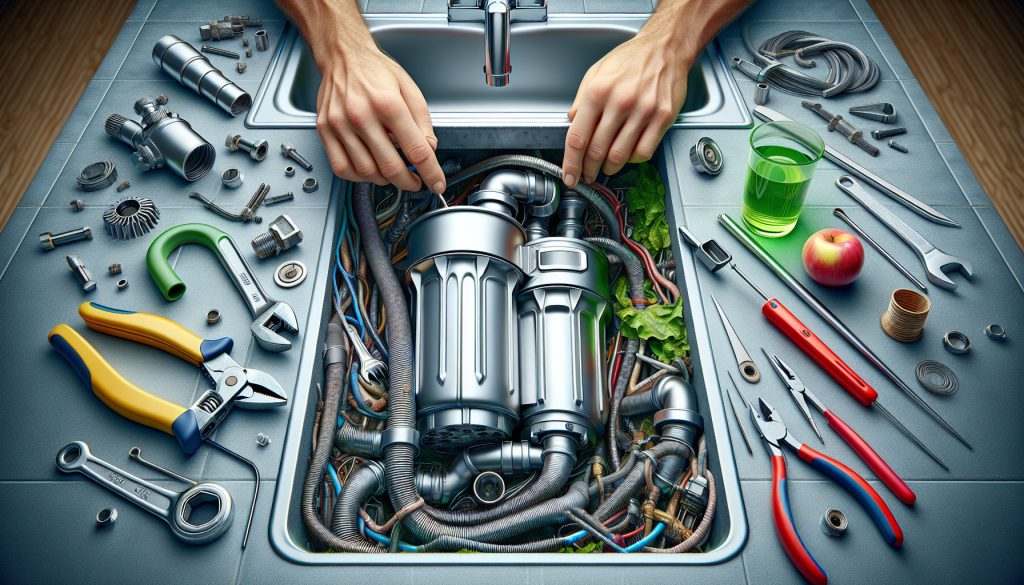
When it comes to modern kitchen conveniences, the garbage disposal is a true workhorse. This handy device allows for quick and easy disposal of food waste, reducing odors and minimizing trips to the trash can. Whether you're looking to install a new unit or replace an old one, understanding garbage disposal plumbing is essential for a successful setup.
Although the installation process might seem intimidating, with the right tools and a bit of know-how, most homeowners can tackle this project without professional help. However, there are instances where enlisting a plumber may be beneficial. In this guide, we'll explore everything from the basic parts of a garbage disposal system to detailed installation instructions for various sink setups.
How do I install a garbage disposal?
Installing a garbage disposal typically involves four main steps: preparing the space, attaching the unit to the sink, connecting the plumbing, and wiring the electrical components. For those installing a garbage disposal for the first time, it's crucial to start by reading the manufacturer's manual for specific instructions.
Begin by ensuring power is off at the circuit breaker to prevent electrical shock. Next, remove the existing sink flange and apply plumber's putty before securing the new flange in place. The garbage disposal unit will then attach to this flange. Once the unit is in place, it's time to connect the drain lines and ensure the dishwasher outlet, if present, is connected.
Finally, wiring the disposal involves connecting the power cord to the unit and plugging it into a grounded outlet or hardwiring it to the switch. Once everything is connected, test the unit for leaks and proper operation.
What are the essential garbage disposal plumbing parts?
- Sink flange – the interface between the sink and the disposal.
- Mounting ring – secures the disposal to the sink flange.
- Drain pipe – connects the disposal to the sink's drain system.
- Discharge tube – directs waste from the disposal to the drain pipe.
- Power cord – provides electricity to the unit.
Some disposals also include a dishwasher inlet, allowing the dishwasher to drain through the disposal. High-quality units may feature components like stainless steel grinding chambers or noise-reducing insulation.
Do I need a plumber to install a garbage disposal?
Whether or not you need a plumber to install a garbage disposal depends on your comfort level with basic plumbing and electrical tasks. If you're confident in your DIY skills and have the necessary tools, you may be able to handle the installation yourself.
However, if you're unfamiliar with plumbing or electrical work, it may be best to hire a professional. A plumber can ensure that the garbage disposal is installed correctly and safely, potentially saving you from costly mistakes or accidents.
How to install a garbage disposal in a double sink?
Installing a garbage disposal in a double sink involves a few additional steps compared to a single sink setup. First, decide which side of the sink will house the disposal. The other side will connect to the disposal through a T-pipe.
After mounting the unit to the selected sink basin, install a drain tee on the disposal's discharge outlet. This tee will allow waste water from both sink basins to enter the disposal. Make sure both basins have p-traps to prevent sewer gases from entering the home.
What are the tips and tricks for garbage disposal plumbing?
Maintenance is key when it comes to extending the life of your garbage disposal. Running cold water while the unit is in use helps to solidify any grease or oil, making it easier for the disposal to break down. Avoid disposing of fibrous materials like celery or banana peels, which can cause clogs.
Regular cleaning can also eliminate odors and prevent buildup. Grinding ice cubes and citrus peels can naturally freshen and clean the disposal. For a deeper clean, a mix of baking soda and vinegar can help remove grime.
Be mindful of the size of food waste you're disposing. Large items should be cut into smaller pieces to prevent jamming the unit. If a clog does occur, turn off the power before attempting to clear it.
How to replace garbage disposal plumbing?
Replacing a garbage disposal involves removing the old unit and installing a new one in its place. Start by disconnecting the power and plumbing connections. Support the disposal with one hand while you release the mounting ring with the other. Once the old unit is out, clean the sink flange area thoroughly before installing the new disposal.
It's important to install a new sink flange, as reusing the old one can lead to leaks. Apply a new layer of plumber's putty to the sink flange and follow the installation steps outlined for a new disposal. After the new unit is in place, reconnect the plumbing and electrical connections, and test for leaks and proper function.
Garbage disposal plumbing tips and tricks
For the smooth operation of your garbage disposal, it's recommended that you:
- Always run water when the disposal is in use.
- Use cold water to help grind food waste more effectively.
- Avoid disposing of non-food items or hard materials that can damage the blades.
- Keep the unit clean by routinely grinding citrus peels or ice cubes.
- Seek professional help if you encounter any issues you're not comfortable fixing yourself.
By following these tips, you'll ensure that your garbage disposal plumbing remains in top condition, reducing the need for repairs or replacements.
Questions related to garbage disposal plumbing
How do I install a garbage disposal?
Installing a garbage disposal involves preparing the area, mounting the unit, connecting the plumbing, and wiring the electrical components. Always ensure power is off before beginning the installation and follow the manufacturer's instructions carefully.
It's essential to have the right tools on hand, including a plumber's wrench, screwdrivers, and plumber's putty. Testing the unit after installation for leaks or operational issues is crucial to ensure everything is functioning correctly.
What are the essential garbage disposal plumbing parts?
The essential parts for garbage disposal plumbing include the sink flange, mounting ring, drain pipe, discharge tube, and power cord. Each part plays a critical role in the proper functioning of the disposal, and ensuring they are all in good condition is key to a successful installation.
Some units may come with additional features or requirements, so familiarizing yourself with the specific model you have is vital.
Do I need a plumber to install a garbage disposal?
While many homeowners can install a garbage disposal themselves, hiring a plumber can be beneficial if you're not comfortable with plumbing or electrical work. A plumber will ensure that the installation is done correctly and safely, which can save you from potential issues down the line.
If local building codes require professional installation or if you're unsure about any step of the process, seeking professional assistance is advised.
How to install a garbage disposal in a double sink?
To install a garbage disposal in a double sink, you need to attach the unit to one of the basins and connect the other basin through a T-pipe. Both basins should have p-traps, and running a drain tee from the disposal's discharge outlet is necessary to manage waste water from both sinks.
Ensuring that the plumbing is correctly configured will prevent issues with drainage and ensure both sinks can be used efficiently.
What are the tips and tricks for garbage disposal plumbing?
Maintenance tips for garbage disposal plumbing include regularly running cold water through the unit, avoiding the disposal of fibrous materials, and cleaning the disposal with natural agents like ice cubes and citrus peels. If you encounter a clog, always turn off the power before attempting to address the issue.
Following these tips will help keep your garbage disposal running smoothly and prevent the need for frequent repairs.
How to replace garbage disposal plumbing?
To replace garbage disposal plumbing, you'll need to remove the old unit and install the new one. This process requires disconnecting the power and plumbing connections and releasing the mounting ring. Once the old unit is out, install the new sink flange with fresh plumber's putty and reattach the new disposal.
After reconnecting the plumbing and electrical connections, test the new disposal to ensure it's working correctly and not leaking.
Remember, a properly installed and maintained garbage disposal is a valuable asset to any kitchen. With the right approach, you can enjoy the convenience of your disposal for years to come.

Leave a Reply