
Sink Plumbing
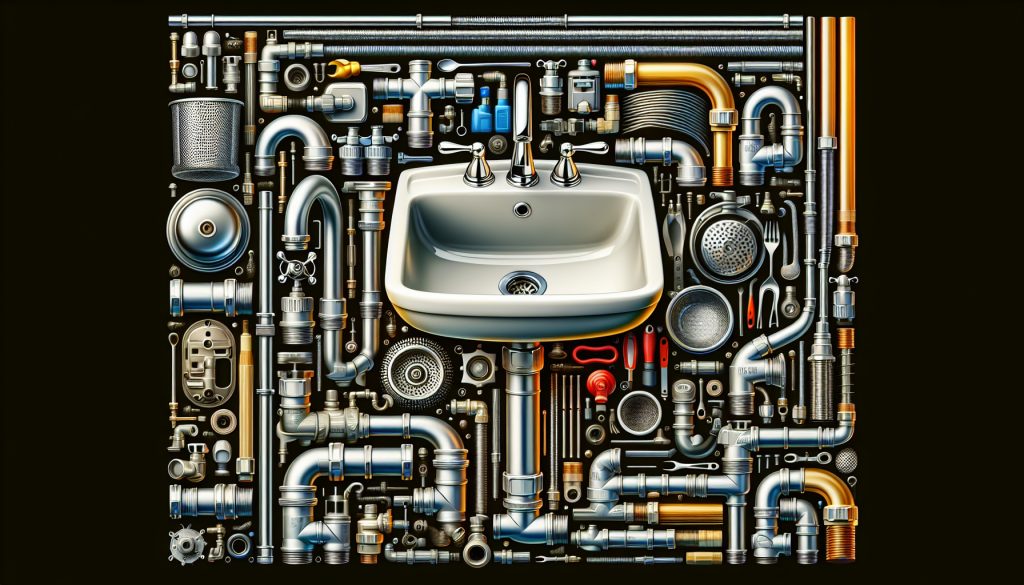
Understanding the intricacies of sink plumbing can be a daunting task for many homeowners. Whether you are renovating your bathroom or simply looking to fix a leak, knowing the basics of sink plumbing is essential for a well-maintained home.
When it comes to setting up or repairing the plumbing for your sink, the process might seem complex, but with the right guidance, even a novice DIYer can tackle the task. This guide will walk you through the various aspects of sink plumbing, providing practical advice to ensure your bathroom and kitchen sinks function smoothly.
How to install bathroom sink plumbing: Set up your own bathroom sink
Installing bathroom sink plumbing may seem like a professional job, but with some patience and the right tools, you can install sink plumbing effectively for better results. The process typically involves setting up the drain assembly, connecting the water supply lines, and ensuring proper sealing to avoid leaks.
Before you begin, it's crucial to have all the necessary tools and materials on hand, including pipes, wrenches, and plumber's putty. Additionally, you need to be familiar with the local building codes to ensure your installation meets all regulations.
As you start, turn off the water supply and remove the old sink if necessary. Install the faucet and drain before setting the sink in place to make the process easier. Ensure all connections are tight and leak-free before turning the water back on.
Attention to detail is key when installing bathroom sink plumbing. Make minor adjustments as needed to ensure everything aligns and functions properly.
Once the sink is installed, run the water and check for any signs of leaks. If leaks are present, tighten the connections further or reapply sealing where necessary.
How sink drain plumbing works
Sink drain plumbing might seem complicated, but it operates on simple principles. The main components include the drain, P-trap, and drain-waste-vent system, all working together to ensure that wastewater flows out efficiently while preventing sewer gases from entering your home.
The drain assembly consists of several parts, including the pop-up drain, which allows you to open and close the sink drain as needed. A slip joint waste arm typically connects the sink to the P-trap, which then connects to the house's drain-waste-vent system.
The P-trap is an essential component, as it prevents odors from the sewer line from coming up through the sink. It does this by holding a small amount of water at all times, creating a seal against sewer gases.
Proper venting is also crucial to allow air into the plumbing system, ensuring water flows smoothly without creating a vacuum that could slow or stop the drainage.
Understanding how these components work together helps in both installing new plumbing and troubleshooting any issues that may arise.
What is sink plumbing called?
The network of pipes and fixtures that make up sink plumbing is often referred to by various names, including the drain-waste-vent system (DWV). This system is responsible for removing wastewater from your home and venting sewer gases to the outside.
The sink's plumbing typically includes fixtures like the faucet and drain, as well as the pipes that carry water to and from the sink. The P-trap, which is a key component under the sink, prevents sewer gases from entering the home.
It's important to know the proper terminology when purchasing supplies or discussing your plumbing with professionals, as this ensures you get the correct parts and advice for your specific needs.
What plumbing goes under a sink?
- P-trap - A curved pipe that traps a small amount of water to prevent sewer gases from entering your home.
- Water supply lines - Pipes that bring hot and cold water to the faucet.
- Shut-off valves - Valves that allow you to turn off the water supply to the sink without affecting the rest of your home's plumbing.
- Drain pipe - The pipe that carries wastewater away from the sink to the sewer or septic system.
- Drain-Waste-Vent System - A system that ensures waste is drained out and fresh air is drawn into the plumbing system.
How to determine what type of setup you have?
To understand the type of sink plumbing setup you have, you should inspect the visible plumbing under your sink. Look at the configuration of the pipes, the materials they're made from, and the style of fixtures installed.
Most modern homes have PVC or ABS plastic pipes, which are lightweight and easy to work with. Older homes may have metal pipes, such as copper or galvanized steel. The type of trap used, be it an S-trap or a P-trap, can also give you insights into the age and style of your plumbing.
Checking for cleanouts, which are access points for clearing blockages, can also help you understand your system better. They are typically located along the drain pipe and are capped for easy access.
Lastly, observe the connection between your sink and the main drain line, usually indicated by the slip joint waste arm and the orientation of the P-trap.
What are the essentials for sink plumbing in your bathroom and kitchen?
The essentials for sink plumbing in both your bathroom and kitchen include a reliable faucet, a functional drain assembly, properly sized pipes, and a secure P-trap. Additionally, having accessible shut-off valves and a well-ventilated drain-waste-vent system are crucial for effective operation and maintenance.
Choosing the right pipe diameter is also important, as it affects the flow rate and risk of clogs. For most residential sinks, a pipe diameter of 1 1/4 to 1 1/2 inches is standard.
When selecting materials, consider durability and compatibility. For example, brass and chrome-plated components offer longevity, while PVC provides ease of installation and cost-effectiveness.
Maintenance essentials include having basic tools like wrenches and plunger available, as well as routine checks for leaks and clogs to ensure your sink plumbing remains in good working condition.
How to check for leaks in sink plumbing?
To effectively check for leaks in sink plumbing, start by visually inspecting all connections and fixtures under the sink while the water is running. Look for drips or moisture accumulation that could indicate a leak.
You should also check the P-trap and drain pipe for any signs of water damage or corrosion, which could lead to leaks. Tightening connections or replacing worn-out components may resolve the issue.
Dye testing can also help identify leaks. Add a few drops of food coloring to the water in the sink and observe if the colored water appears in places it shouldn't.
Don't forget to inspect the faucet and handles for leaks, as these areas can often be overlooked. Replacing washers or o-rings can typically fix these leaks.
If leaks persist after basic troubleshooting, it may be time to call a professional to ensure the integrity of your sink plumbing.
What are the steps to install a bathroom sink?
- Turn off the water supply and prepare the area by removing the old sink, if applicable.
- Install the faucet and drain assembly onto the new sink before placing it in position.
- Set the sink into place, ensuring it's level and secure.
- Connect the water supply lines to the faucet and the sink's tailpiece to the P-trap.
- Open the water valves and check for any leaks, making adjustments as needed.
- Apply silicone or plumber's putty where necessary to seal the sink and prevent water from seeping under it.
- Once everything is connected and sealed, run the water to ensure proper drainage and no leaks.
Preguntas relacionadas sobre el sink plumbing
What plumbing goes under a sink?
Under a sink, you'll typically find the P-trap, which is a curved pipe that traps a small amount of water to prevent sewer gases from entering the home. There will also be water supply lines for hot and cold water, shut-off valves, and a drain pipe to carry wastewater away.
These components are essential for the sink's drainage system and require proper installation and maintenance to function effectively. Regular inspection can help prevent issues such as leaks and clogs.
What is sink plumbing called?
Sink plumbing is often referred to as the drain-waste-vent (DWV) system. This system is designed to remove wastewater while preventing sewer gases from entering the home and ensuring proper ventilation to maintain water flow.
Knowing the correct terminology is important for effective communication with professionals when purchasing supplies or discussing plumbing repairs.
Can I plumb a sink myself?
Yes, with some basic DIY skills and the right tools, you can plumb a sink yourself. It involves installing the drain assembly, connecting the water supply lines, and ensuring all components are properly sealed.
However, it's important to be aware of local building codes and to have a thorough understanding of the plumbing process before attempting it on your own.
Should I use a S or P-trap for sink?
For modern plumbing, it is recommended to use a P-trap for a sink. An S-trap is no longer used due to its tendency to siphon the water seal, allowing sewer gases to enter the home.
The P-trap is designed to maintain a water seal effectively and is compliant with current plumbing codes. Always choose the P-trap to ensure a safe and proper sink plumbing setup.
By following the guidance provided in this article, you can tackle sink plumbing with confidence, knowing you have the insights and tips necessary to ensure your bathroom and kitchen sinks are well-maintained and functioning optimally.
 Bathroom Plumbing
Leave a Reply